
Zero-Waste Color in Tribeca: How Eco-Conscious Salons Are Minimizing Chemical Waste Without Sacrificing Results
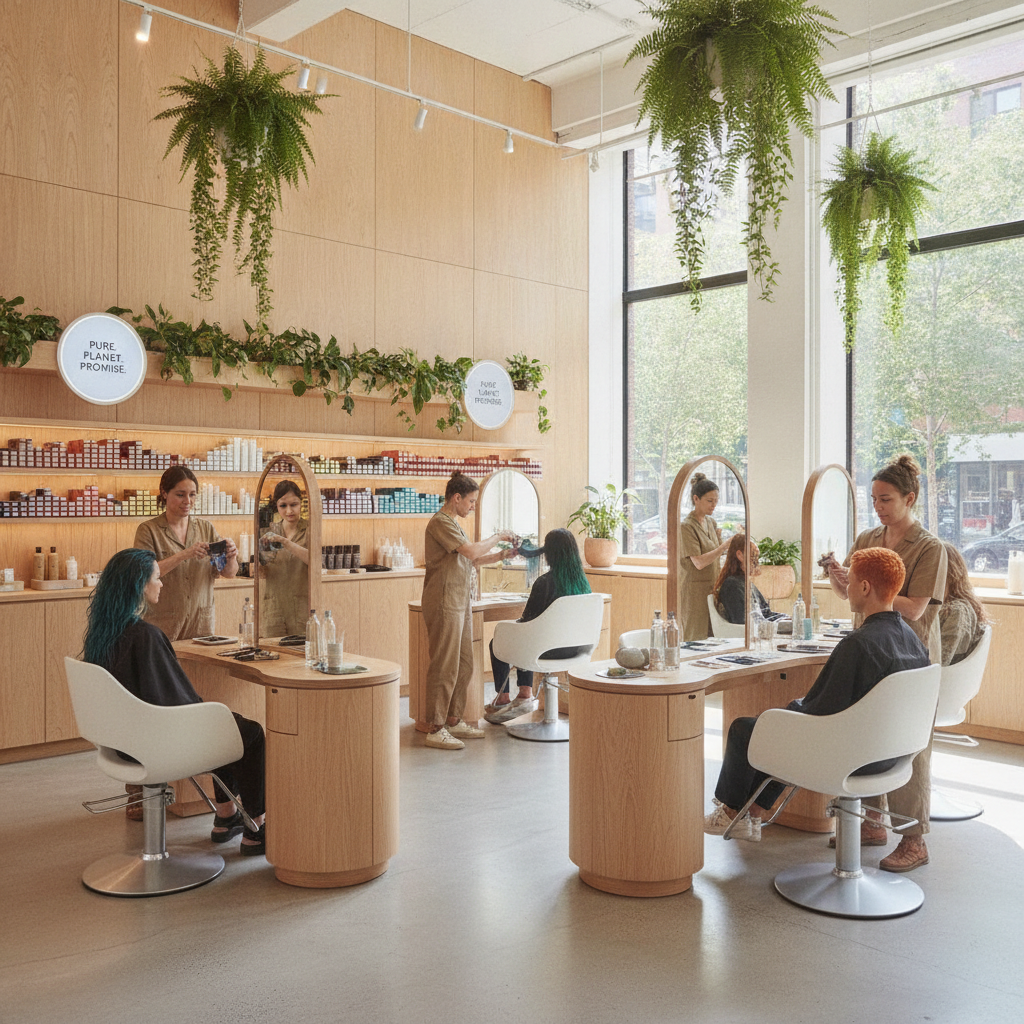
In the heart of Tribeca, a new wave of salons is redefining what it means to be both stylish and sustainable. The movement toward zero-waste color is gaining momentum, with eco-conscious salons leading the charge in minimizing chemical waste without compromising the vibrant, customized results that clients expect. For small business owners, developers, and curious locals, understanding how these salons are transforming hair coloring in Tribeca is more than just a trend, it’s a glimpse into the future of responsible beauty. Whether you’re passionate about the environment or simply want to know how your next color appointment can be both beautiful and sustainable, this guide will take you inside the innovative practices, products, and philosophies shaping the neighborhood’s most forward-thinking salons. Discover how zero-waste color isn’t just possible, it’s becoming the new gold standard for hair coloring Tribeca residents love.
What Zero-Waste Really Means for Salons
Zero-waste in the salon world isn’t just about recycling a few bottles or swapping out plastic for glass. It’s a holistic approach to every aspect of the coloring process, from sourcing ingredients to managing leftover dye. For many salons in this neighborhood, zero-waste means rethinking traditional practices that have long contributed to environmental harm. This includes careful measurement of color formulas, using refillable containers, and working with suppliers who prioritize biodegradable packaging. The commitment extends to water usage, energy-efficient lighting, and even the way salons dispose of foils and gloves. By embracing these changes, salons are able to dramatically reduce their environmental footprint while still delivering the high-quality results clients expect. The journey to zero-waste is ongoing, but the benefits, less landfill waste, cleaner waterways, and a healthier salon environment, are already making a difference. For those seeking Tribeca Hair Color services, these eco-conscious choices are setting a new standard in the industry.
Innovative Color Formulation: Precision and Sustainability
One of the biggest sources of waste in traditional salons is excess color. Stylists often mix more dye than needed, leading to unnecessary disposal of chemicals. Eco-conscious salons in the area are tackling this issue with advanced color formulation techniques. Digital scales, custom-mixing apps, and precise consultation protocols allow stylists to calculate exactly how much product is required for each client. This not only minimizes waste but also ensures consistent, tailored results. Many salons are also investing in training programs that teach staff how to optimize color usage and reduce leftovers. By combining technology with artistry, these salons are proving that sustainability and creativity can go hand in hand. Clients benefit from personalized color that is both environmentally responsible and perfectly matched to their style. For those interested in the broader eco-friendly movement, Tribeca Hair Studios NYC is a great example of how innovation is reshaping the salon experience.
Eco-Friendly Products: Beyond Ammonia-Free
The shift toward zero-waste color isn’t just about using less, it’s also about using better. Many salons are moving beyond the basics of ammonia-free dyes and embracing a new generation of eco-friendly color lines. These products are often plant-based, cruelty-free, and packaged in recyclable or compostable materials. Some brands even offer refill stations, allowing salons to purchase color in bulk and reduce single-use packaging. The benefits extend to clients as well: fewer harsh chemicals mean healthier hair and scalp, and the knowledge that their beauty choices support a cleaner planet. Salons are also seeking out local and independent brands that align with their sustainability goals. This commitment to ethical sourcing is helping to drive demand for greener alternatives across the industry. For women looking for healthier, more sustainable options, Hari Color for women in Lower Manhattan NY showcases how eco-friendly products can deliver stunning, long-lasting results without compromise.
Reducing Water and Energy Use in the Coloring Process
Water and energy are two often-overlooked areas where salons can make a significant environmental impact. The coloring process typically requires multiple washes, rinses, and the use of heat tools, all of which consume resources. Eco-conscious salons are investing in high-efficiency washers, low-flow faucets, and energy-saving dryers to cut down on consumption. Some have even adopted waterless color application techniques, which use innovative formulas that require minimal rinsing. These changes not only reduce the salon’s utility bills but also contribute to a more sustainable community. Clients can feel good knowing their color service is part of a broader effort to conserve resources. For those interested in the intersection of sustainability and advanced hair care, the article From Blow-Dry to Straight Iron: The Step-by-Step Keratin Process NYC Clients Experience for Effortless Hair Days offers further insight into how salons are optimizing every aspect of their operations for efficiency and environmental responsibility.
Creative Recycling: Giving Color Waste a Second Life
While reducing waste at the source is the primary goal, some leftover color and materials are inevitable. Innovative salons are finding creative ways to recycle and repurpose these byproducts. For example, some participate in programs that collect used foils, color tubes, and gloves for specialized recycling. Others donate hair clippings to organizations that use them for environmental cleanup projects, such as oil spill containment. Even leftover color can sometimes be repurposed for artistic projects or community workshops. By thinking outside the box, salons are turning potential waste into valuable resources. This approach not only supports the environment but also fosters a sense of community engagement and responsibility. For a deeper dive into how salons are addressing the unique needs of textured hair while maintaining sustainable practices, check out The Curly-Hair Revolution in Tribeca: Why New Salons Are Specializing in Texture-Safe Color Services.
Client Education: Empowering Sustainable Choices
A crucial part of the zero-waste movement is client education. Salons are taking the time to inform clients about the environmental impact of traditional coloring methods and how their new practices make a difference. This might include sharing information about product ingredients, explaining the benefits of precision color formulation, or offering tips for maintaining color at home with eco-friendly products. Some salons host workshops or create digital content to further engage clients in sustainable beauty. By empowering clients with knowledge, salons are building a loyal community that values both style and sustainability. This educational approach also encourages clients to make greener choices in their daily routines, amplifying the positive impact beyond the salon chair. As more people become aware of the issues, demand for zero-waste color continues to grow, pushing the industry toward even greater innovation.
Sourcing Local: Supporting Sustainable Supply Chains
Sustainability doesn’t stop at the salon door. Many eco-conscious salons are prioritizing local suppliers to reduce transportation emissions and support the neighborhood economy. By working with nearby distributors and independent makers, salons can ensure that their products are fresher, their carbon footprint is smaller, and their money stays in the community. This local-first mindset extends to everything from hair color lines to cleaning supplies and salon furniture. Supporting local businesses also fosters collaboration and innovation, as salons and suppliers work together to develop new solutions for waste reduction. For clients, this means a more authentic and connected experience, knowing that their beauty choices are part of a larger movement toward sustainability in the area. The ripple effect is powerful: as more salons embrace local sourcing, the demand for sustainable products grows, encouraging even more businesses to adopt eco-friendly practices.
The Role of Technology in Achieving Zero-Waste
Technology is playing a pivotal role in helping salons achieve their zero-waste goals. From digital inventory management systems that track product usage to apps that calculate precise color formulas, tech tools are making it easier than ever to minimize waste. Some salons use cloud-based scheduling and payment systems to reduce paper, while others invest in energy-efficient appliances connected to smart home platforms. Even social media is being leveraged to share sustainability tips and showcase eco-friendly transformations. By embracing technology, salons can streamline their operations, reduce errors, and make data-driven decisions that benefit both the environment and the bottom line. For small business owners and developers, these tools offer a blueprint for integrating sustainability into every aspect of the salon experience. The result is a more efficient, profitable, and environmentally responsible business model that sets a new standard for the industry.
Balancing Results and Responsibility: Real Client Outcomes
One of the most persistent myths about eco-friendly salons is that sustainability means sacrificing quality. In reality, the opposite is often true. By focusing on precision, innovation, and high-quality ingredients, zero-waste salons are delivering results that rival or surpass traditional methods. Clients report healthier hair, more vibrant color, and longer-lasting results. Stylists are able to customize each service to the client’s unique needs, ensuring a personalized experience that doesn’t compromise on style. The table below highlights some of the key differences between conventional and zero-waste color services, illustrating how salons are able to balance environmental responsibility with exceptional outcomes.
| Aspect | Conventional Color | Zero-Waste Color |
|---|---|---|
| Product Waste | Often excessive, leftover color discarded | Precisely measured, minimal leftovers |
| Packaging | Single-use plastics, non-recyclable | Refillable, recyclable, or compostable |
| Chemical Exposure | Harsh chemicals, potential irritants | Gentler, plant-based ingredients |
| Water/Energy Use | High due to multiple rinses, hot tools | Reduced with efficient equipment |
| Client Results | Inconsistent, may damage hair | Consistent, healthier hair and scalp |
How Small Businesses Can Lead the Eco-Chic Movement
Small businesses are uniquely positioned to drive change in the beauty industry. Without the bureaucracy of large chains, independent salons can quickly adopt new practices, experiment with innovative products, and respond to client feedback. Many of the most successful zero-waste initiatives start with a single passionate owner or stylist who is committed to making a difference. By sharing their experiences and collaborating with other local businesses, these pioneers are creating a ripple effect that inspires others to follow suit. For developers and entrepreneurs, the zero-waste movement offers a blueprint for building a brand that stands out in a crowded market. By prioritizing sustainability, salons can attract eco-conscious clients, reduce operating costs, and build a loyal community. The journey isn’t always easy, but the rewards, both financial and environmental, are well worth the effort.
Final Thoughts
Zero-waste color is more than a passing trend, it’s a movement that’s reshaping the future of hair coloring in Tribeca and beyond. By embracing precision, innovation, and a deep commitment to sustainability, eco-conscious salons are proving that it’s possible to minimize chemical waste without sacrificing the stunning results clients crave. Whether you’re a salon owner, a developer, or someone seeking a more responsible beauty experience, the lessons from these pioneering businesses offer inspiration and practical guidance. As the neighborhood continues to lead the way in sustainable style, one thing is clear: the path to beautiful, vibrant hair can also be a path to a healthier planet. The next time you book a color appointment, consider how your choices, and your salon’s, can make a difference, one strand at a time.