
Brass Control in the City: How to Keep Balayage Cool-Toned Through New York’s Season Changes
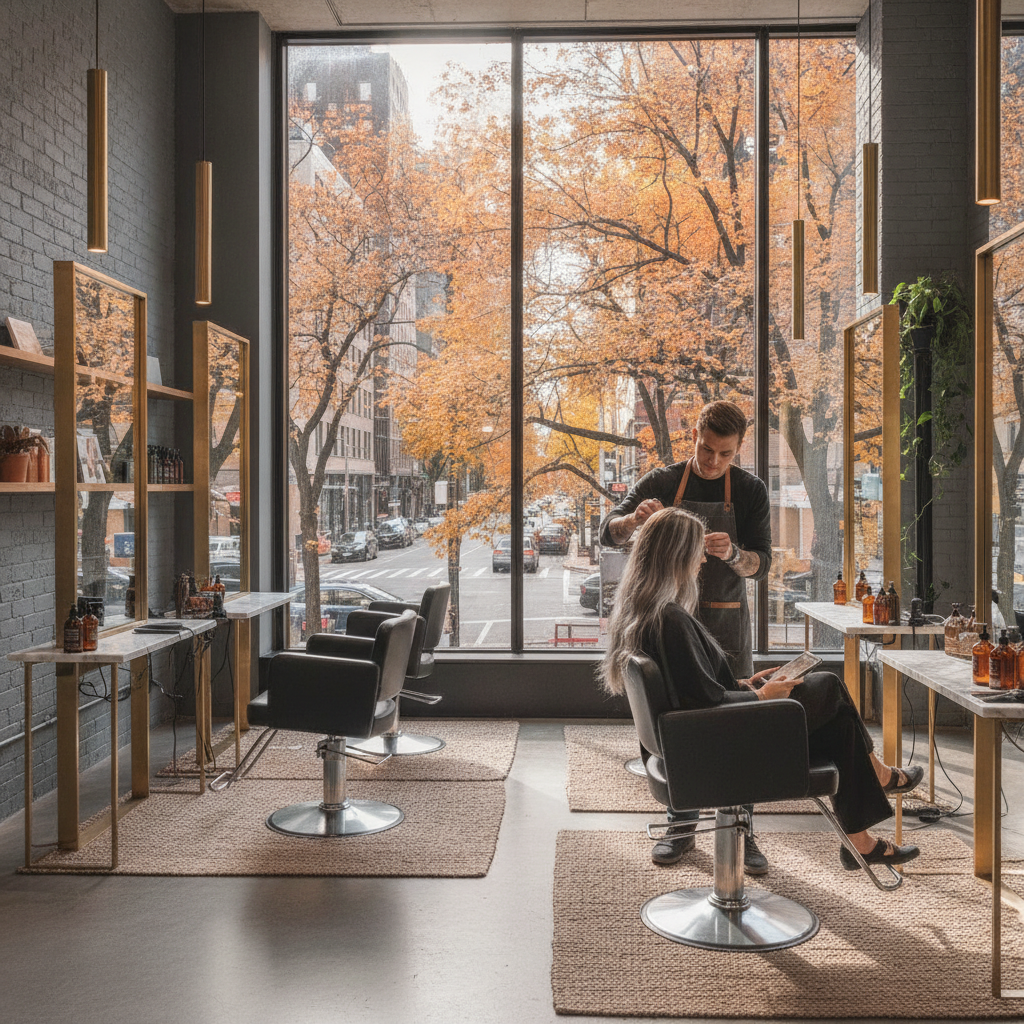
Anyone who has walked out of a salon with perfectly ashy, creamy, or champagne ribbons knows the feeling. Then the first heatwave hits, or the radiators come on, or a week of commuting under harsh fluorescent light goes by, and suddenly the shade has a warm cast that was never part of the plan. Brass is the most common complaint colorists hear, and it is rarely about doing something wrong. It is about chemistry meeting climate. If you want to understand how to maintain balayage hair in New York City, you have to think like the seasons do: humid summers, salty winter slush, dry indoor heat, and hard water running through every tap.
The good news is that brass is predictable. Lightened hair exposes warm underlying pigment, and anything that roughens the cuticle, deposits minerals, or fades toner pushes that warmth to the surface faster. Once you know the triggers, you can plan around them instead of reacting after the damage is visible. This guide walks through what causes brassiness, how each season changes the equation, which habits and products make a real difference, and how to build a simple year-round rhythm that keeps your highlights cool, clean, and dimensional without turning hair care into a second job.
Why Cool Tones Turn Warm So Quickly
Every head of hair contains underlying pigment, and when a colorist lifts brown or black strands to create balayage, that pigment moves through red, orange, and yellow before reaching pale blonde. Toner is what neutralizes the warm leftovers and creates the cool finish you see on the day of your appointment. The catch is that toner is a thin, temporary layer that sits on the outside of the strand. It fades with every wash, every sun exposure, and every mineral deposit.
Porous hair accelerates the process. Lightened ends have a more open cuticle, so they release toner faster and soak up unwanted minerals more easily. That is why the brightest, most delicate sections often warm up first. Understanding how to maintain balayage hair NYC residents rely on starts with this simple idea: you are protecting a fragile surface layer, not a permanent color. Gentle cleansing, cool water, and regular toner refreshes do more for your shade than any single miracle product ever could.
Hard Water and the City Pipe Problem
Water quality varies by building, especially in older structures where decades-old plumbing can contribute iron, copper, or rust particles to the tap. Even when the municipal supply itself is considered good, what comes out of your shower head depends on the pipes between the street and your bathroom. Those minerals cling to lightened hair and can create dull, yellow, or even slightly orange tones that no toner seems to fix.
A shower filter is one of the simplest upgrades for anyone with highlights. Screw-on filters are inexpensive, renter-friendly, and need no tools. Pair that with a chelating or clarifying shampoo used once every two to three weeks to lift mineral buildup before it sets into the cuticle. After a clarifying wash, follow with a deeply conditioning mask because those cleansers can feel stripping. If you notice your hair looking flat or straw-colored a few weeks after a salon visit, mineral residue is a more likely culprit than failed color, and it is far easier to fix.
Summer Humidity, Sun, and Salt Air
Summer is the season when brass shows up fastest. Ultraviolet light breaks down toner and lifts remaining pigment, which is why hair can look warmer after a single beach weekend or a few rooftop evenings. Chlorine from hotel pools and ocean salt from weekend escapes add another layer of stress, roughening the cuticle and encouraging minerals to settle in.
Before sun exposure, wet your hair with fresh water and apply a leave-in with UV filters. Wearing a hat or tying hair into a loose braid reduces direct light on the brightest pieces. After swimming, rinse promptly and cleanse with a gentle purple or blue shampoo to neutralize any warmth that started to creep in. For anyone seeking Professional Balayage in New York, NY, a summer toner appointment around the six to eight week mark often keeps the color looking fresh through peak vacation season without requiring a full service.
Winter Dryness and Indoor Heat
Cold air outside and blasting radiators inside create a one-two punch for hair. Low humidity pulls moisture out of the strand, leaving lightened ends brittle and rough. Rough cuticles reflect light poorly, so even if the tone is technically still cool, the hair can look dull and slightly gray or yellow. Add wool hats and scarves rubbing against your ends all day and you have constant friction wearing away toner.
Winter care is less about color correction and more about moisture. Swap to a richer conditioner, use a weekly bond-building or hydrating mask, and consider a lightweight hair oil on mid-lengths and ends. Dry-shampoo less aggressively because residue can dull cool tones. If you are weighing which service your hair needs after the holidays, Root Touch-Up vs. Full Refresh: Choosing the Right Color Service in Manhattan is a helpful read for matching the appointment to what your hair actually shows.
Spring and Fall Transition Weeks
The shoulder seasons look gentle, but they bring rapid swings in temperature and moisture that can leave hair unpredictable. One day is damp and drizzly, the next is dry and breezy. Frizz from humidity shifts roughens the cuticle, and frequent rain exposure means more washing, more styling, and more fading. Many people also change their routine during these months, trading heavy winter masks for lighter products and sometimes forgetting to adjust their toning schedule.
Treat these weeks as a reset. Evaluate how your highlights look in natural daylight, not just bathroom lighting. If the ends look yellow or the overall tone feels warmer than when you left the chair, a gloss or toner appointment is a low-effort way to realign the shade with your wardrobe palette. Transitional months are also the best time to trim split ends, since clean ends hold toner more evenly and reflect cooler light more convincingly.
Purple, Blue, and Everything In Between
Not all toning products do the same job, and choosing the wrong one can make things worse. Purple shampoo counteracts yellow, which makes it ideal for pale blonde and champagne tones. Blue shampoo counteracts orange, which suits brunette or caramel balayage that tends to pull copper. Using purple on hair that is actually orange will do very little, while overusing it on light blonde can leave a dull lavender or gray cast.
A few guidelines make this simpler:
- Use toning shampoo once a week at first, then adjust based on how quickly warmth returns.
- Leave it on for one to three minutes only, since longer sits can over-deposit pigment.
- Follow with a moisturizing conditioner because many toning formulas are drying.
- Rotate with a regular sulfate-free shampoo so color does not build up unevenly.
If you are unsure which family your shade falls into, ask your colorist to name the exact undertone you are working with so you can match the product to the problem.
A Season-by-Season Brass Control Cheat Sheet
It helps to see the year laid out at a glance. This table summarizes the main brass triggers by season and the quickest counter-move for each, so you can adjust your routine without rereading everything.
| Season | Main Brass Trigger | Best Counter-Move |
|---|---|---|
| Summer | UV light, chlorine, salt | UV leave-in, quick rinse, mid-season toner |
| Fall | Rain, frizz, routine changes | Gloss refresh and a trim |
| Winter | Dry air, friction, radiators | Hydrating mask and oil on ends |
| Spring | Humidity swings, pollen | Clarifying wash, then toning shampoo |
Heat Styling Without the Yellow
Flat irons, curling wands, and blow dryers can scorch toner right off the surface of your hair. High temperatures also dry out lightened strands, which makes them rougher and more prone to showing warmth. Many people notice their ends turn a toasty yellow after a week of daily hot tool use, even if they never touched their shampoo routine.
Keep heat tools at the lowest setting that still gets the job done, and always apply a heat protectant before styling. Lightened hair rarely needs more than a moderate temperature to hold a curl or smooth a wave. Air-drying about seventy percent of the way before blow-drying cuts exposure time. If you rely on heat daily, build in recovery days with braids, loose twists, or heatless waves, and use a bond-repair treatment every week or two to keep the cuticle smooth and light-reflective.
Water Temperature and Wash Frequency
It sounds almost too simple, but hot showers are one of the biggest contributors to faded toner. Heat swells the cuticle and lets color escape faster, while lukewarm or cool water helps the surface lie flat and hold pigment longer. You do not need to endure an icy blast. Rinsing your hair with cooler water at the end of the shower is enough to make a visible difference over several weeks.
Wash frequency matters too. Most balayage lasts longer when shampooed two to three times a week rather than daily. Between washes, a silk scarf, a loose bun, or a light refresh with a water-based styling spray can keep hair presentable. If you exercise often, rinse with water and condition the ends only, saving shampoo for the scalp on the days you do wash. That small shift reduces how often toner gets stripped without sacrificing cleanliness.
Salon Refreshes That Do the Heavy Lifting
Even the best home routine eventually needs backup. A professional gloss or toner is a short appointment that resets the shade, seals the cuticle, and adds shine, and it costs a fraction of a full balayage service. Many people schedule one every six to ten weeks depending on how quickly their hair warms and how light their highlights are.
Those who juggle demanding calendars often find that a smart maintenance schedule beats a heavy overhaul. Reading about Balayage for Busy Tribeca Lifestyles: Low-Maintenance Color That Works with Real Schedules can help you plan visits around your life rather than the other way around. Bring photos of the cool tone you love, mention any recent travel or product changes, and ask your colorist what to adjust before the next season arrives.
Small Daily Habits That Add Up
Brass control is rarely about one dramatic step. It is the accumulation of tiny choices that determines how long your color stays crisp. A few habits are worth building into your week:
- Sleep on a silk or satin pillowcase to reduce friction on delicate ends.
- Detangle gently from the bottom up with a wide-tooth comb on damp hair.
- Use a microfiber towel or old cotton shirt instead of rough terry cloth.
- Store products away from heat and sunlight so active ingredients stay effective.
- Check your hair in daylight once a week to catch warmth early.
None of these take more than a minute, yet together they protect the surface that holds your tone. Catching a hint of warmth early means a quick toning shampoo may be all you need, instead of waiting until the shade has drifted far enough to require a bigger correction.
Your Year-Round Brass Plan
Keeping balayage cool-toned through every season comes down to understanding what your hair faces and responding before the warmth takes over. Brass is not a sign that your color failed. It is the natural result of lightened hair meeting sun, minerals, heat, and time, and each of those forces can be managed with simple, consistent steps.
Start with the foundation: filter your shower water if you can, wash with cooler temperatures, and limit shampooing to what your scalp actually needs. Layer in a toning shampoo matched to your undertone, a weekly mask in the dry months, and UV protection when the sun is strong. Treat heat tools carefully, and keep a trim and gloss on the calendar so your ends stay smooth and your tone stays fresh. Then check your color in natural light every week or so, because early adjustments are always easier than late corrections.
Above all, build a routine that fits your actual life. The best maintenance plan is the one you will really follow, whether that means a two-minute toning ritual or a seasonal salon visit. With a little attention to the calendar and a few smart habits, your highlights can stay soft, dimensional, and beautifully cool from the first warm weekend of spring through the last cold week of winter.