
The Best Keratin Treatment NYC Options for Curly, Wavy, and Coily Hair
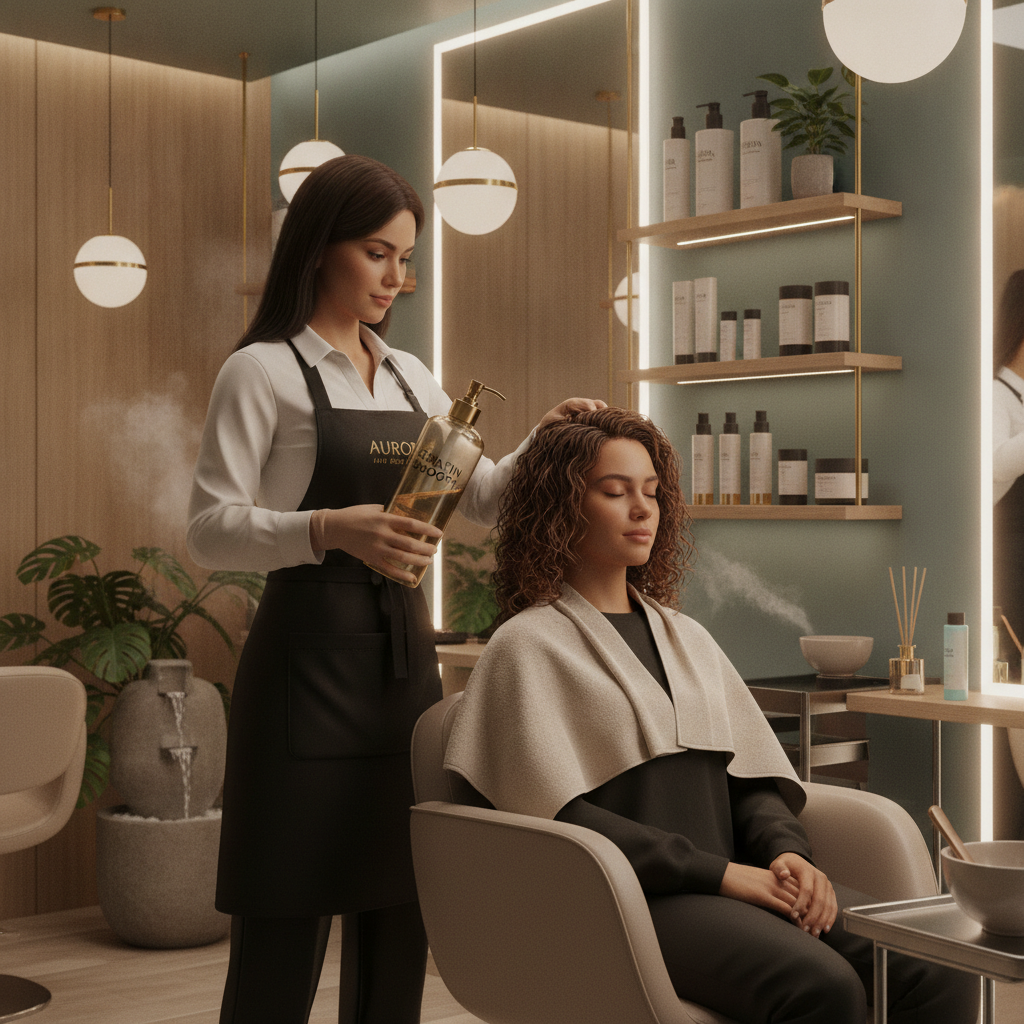
If you have curls, waves, or coils, you already know the daily tug of war between the hair you were born with and the humidity that shows up uninvited. A keratin treatment NYC residents trust can soften that tug of war, but only if it is matched to your pattern instead of applied like a one-size-fits-all straightening job. Curly, wavy, and coily hair behave differently from straight hair. They have more bends along the shaft, more points where moisture escapes, and a stronger tendency toward frizz when the air gets heavy. That means the formula, the technique, and the aftercare all matter more than the brand name on the bottle.
This guide is written for busy people who want a clear, honest picture before they book. We will talk about what keratin actually does to different textures, how to choose between a curl-friendly smoothing result and a fully sleek finish, what a consultation should feel like, and how to protect your investment afterward. Think of it as a practical walkthrough from a friend who has sat in the chair many times. No hype, no invented promises, just the details that help you walk out with hair that feels manageable and still looks like yours.
Whether you are a freelancer rushing between meetings, a small business owner who needs polished hair on a short morning routine, or simply someone tired of fighting a blow dryer every day, the right smoothing service can give you back real time. Let us break down how to find it.
What Keratin Actually Does to Natural Texture
Keratin is a protein your hair already contains. A smoothing treatment uses a keratin-based solution that is worked through the hair and then sealed in with heat, which coats the cuticle and reduces the way strands swell and tangle in humid air. The result is hair that dries faster, holds less frizz, and responds more predictably to styling.
On curly and coily hair, this does not have to mean erasing your pattern. A well-chosen formula can relax the pattern slightly while keeping its shape, which many clients describe as curls that are looser, shinier, and far easier to detangle. On wavy hair, the change tends to be more visible, because waves can lean toward smooth with only modest relaxation.
The key idea is that keratin is a smoothing coat, not a permanent change to your genetic texture. It gradually fades over weeks and months as the coating wears off and new growth comes in. Understanding that timeline up front helps you set realistic expectations and decide whether you want a subtle softening or a dramatic sleekness. For anyone searching for the best keratin treatment in New York NY, the first question should always be what result you want to keep, not only what you want to lose.
Why Curl Type Changes Everything
Hair professionals often group texture into broad families: wavy, curly, and coily. Each family reacts differently to heat, product, and tension. Wavy hair has an S-shaped bend and usually absorbs smoothing formulas evenly. Curly hair forms spirals and tends to be drier because natural oils travel down a spiral slowly. Coily hair has tight bends and the most points of fragility along the strand.
Because of those structural differences, a technique that works beautifully on loose waves can leave tight coils feeling stiff or stressed. A thoughtful stylist adjusts the amount of product, the processing time, and the heat level to the strand, not the other way around. They also look at porosity, which is how readily your hair takes in and holds moisture. High porosity hair drinks up product quickly and may need gentler handling, while low porosity hair can resist absorption and may need more careful saturation.
If a salon describes every client’s treatment in exactly the same words, that is a signal to ask more questions. Texture-aware care starts with a stylist who touches your hair, studies your curl pattern when dry and when wet, and explains how they plan to adapt the service to you.
Smoothing Versus Straightening: Pick Your Goal First
One of the most common misunderstandings is treating keratin as a straightening service by default. In reality, there is a spectrum. At one end is a soft smoothing result that reduces frizz and adds shine while leaving much of your wave or curl intact. At the other end is a heavy-duty result that pushes hair toward pin straight when blow dried and flat ironed.
Before you book, decide where on that spectrum you want to land. Do you love your curls but hate the frizz? Do you want your waves to look defined instead of puffy? Or do you genuinely want a sleek, straight look most days? Your answer shapes everything from formula strength to how long the stylist processes your hair.
Bring photos to your consultation, and include pictures of what you do not want as well. A picture of your hair on a good day, plus one of a result you dislike, gives your stylist a far clearer map than a single phrase like “less frizz.” A skilled professional will tell you honestly when your goal calls for a different service, such as a gloss, a deep conditioning treatment, or a smoothing option with a gentler formula.
What a Great Consultation Looks and Sounds Like
A consultation is where a good outcome is won or lost. It should be unhurried, conversational, and specific. Expect questions about your hair history, including past color, bleach, relaxers, or other chemical services, because layering treatments without planning can compromise strand strength. You should also be asked how you normally style your hair and how much time you want to spend on it each morning.
If you also color your hair, mention it early. Lightening and smoothing services interact, and sequencing them in the right order protects both your tone and your texture. It helps to read about What Makes a Great NYC Color Consultation: Questions Specialists Ask Before They Mix so you recognize the kinds of questions that signal a careful professional.
Do not be shy about asking to see a strand test or to hear the plan in plain language. You should leave the consultation knowing the formula approach, the expected timeline, the aftercare rules, and the approximate price range. Clear answers are a sign of confidence, and vague answers are a reason to keep shopping.
Formulas, Ingredients, and the Questions Worth Asking
Not all smoothing products are created equal, and ingredient transparency matters. Some formulas are marketed as formaldehyde-free, while others rely on different smoothing agents. Terms on a label can be confusing, so it is fair to ask your stylist exactly what is in the product they plan to use and how they handle ventilation and safety in the salon.
Ask about the strength level of the formula and why they chose it for your hair. A stylist who understands your texture should be able to explain the reasoning without relying on jargon. If you are pregnant, nursing, or have sensitivities or scalp conditions, say so clearly and ask for guidance on whether a given service makes sense for you at this time.
It also helps to ask how the product will behave on previously colored hair, since lightened strands are usually more porous and more delicate. The goal is not to memorize chemistry, but to feel confident that the person holding the flat iron has thought carefully about your strands and has a backup plan if your hair reacts differently than expected.
A Comparison Guide by Hair Pattern
The table below offers a general overview of how a smoothing service tends to fit different textures. Individual results always vary, so treat it as a starting conversation rather than a promise.
| Hair Pattern | Common Goal | Typical Approach | Watch For |
|---|---|---|---|
| Wavy | Less frizz, easier styling | Lighter formula, shorter processing | Waves going too flat |
| Curly | Defined curls with less puff | Curl-friendly smoothing, careful heat | Dryness and pattern loosening |
| Coily | Manageability and length retention | Gentle, texture-aware plan with strand testing | Heat stress and breakage |
The Appointment Day: What to Expect Step by Step
Plan for a longer appointment than a standard blowout, and block out your schedule so you are never watching the clock. After a clarifying wash to remove buildup, the stylist applies the smoothing product section by section, combs it through, and lets it process. The hair is then dried and sealed with a flat iron in controlled passes.
Throughout the service, a careful stylist checks tension and heat, especially on fragile or coily strands. Some stylists use lower temperatures and more passes on delicate hair, which takes more time but can be gentler. You may be asked to avoid washing, tying, or tucking your hair behind your ears for a set number of days afterward, so pack a loose, soft hair accessory and wear clothes that do not rub the strands.
Bring a charger, a book, and a snack, because the day is long. Most important, ask your stylist to demonstrate how to style your hair at home before you leave, so you are not guessing on your own the next morning.
Aftercare That Protects Your Investment
What you do in the weeks after a smoothing service shapes how long it lasts and how healthy your hair looks. Use gentle, sulfate-free cleansers and a conditioner suited to your texture, and follow your stylist’s guidance on the first wash. Avoid harsh clarifying shampoos, which can strip the coating faster than expected.
Heat protection is non-negotiable if you continue to style with hot tools. Apply a protectant before every pass, keep temperatures moderate, and let hair dry mostly on its own when you can. Silk or satin pillowcases reduce friction overnight, and a loose braid or pineapple style can keep curls from tangling in your sleep.
Pool and ocean water can be tough on treated hair, so rinse promptly and condition afterward. A weekly mask can add moisture without weighing hair down. Think of aftercare as a small, steady routine rather than a long list of rules, and your results will stay softer and more flexible for longer.
Scalp Comfort and Hair Health Come First
Smooth hair starts at the root. A healthy scalp supports stronger strands, and good scalp care before and after a smoothing service can make the experience more comfortable. If you have sensitivity, flaking, or tightness, mention it at your consultation so your stylist can plan around it.
Many clients are adding wellness-minded steps to their routine, from gentle exfoliation to nourishing treatments that support the scalp barrier. You can explore ideas like these in Scalp Care in Lower Manhattan: The Wellness Services Adding Value to Tribeca Hair Salons, which shows how scalp attention complements hair services.
Healthy hair is more likely to accept a smoothing service evenly and hold its results gracefully. If your hair feels stretchy, mushy when wet, or snaps easily, your stylist may recommend rebuilding strength first and postponing the service. That advice is a sign of care, not a sales obstacle.
Coordinating Smoothing With Color
Many people want both smooth texture and dimensional color, and the two can work together when planned thoughtfully. Lightened hair is typically more porous, so a stylist may adjust the formula or the timing to avoid overprocessing. In some cases, it is wise to space the services apart so the hair can rest between them.
If you love soft, sun-kissed dimension, a gradual approach to color pairs nicely with a smoothing plan. Ask your stylist whether they recommend doing color first, smoothing first, or separating the appointments by a few weeks. You can also see what a hand-painted approach looks like with Professional Balayage in New York, NY, which helps you picture how tone and texture can complement each other.
Sequence matters because color chemistry and smoothing chemistry both affect the cuticle. Sharing your full history helps your stylist protect shine, keep tones from shifting, and avoid surprises.
Who Should Wait and What Alternatives Exist
Smoothing is not right for everyone at every moment. If your hair is currently very damaged, recently bleached to a high level, or showing signs of breakage, it may be wiser to wait and focus on repair. People who are pregnant or nursing should speak with a healthcare professional and their stylist before booking any chemical service.
There are also gentler routes if you are not ready for a full service. Deep conditioning, protein-balanced masks, glossing, and a precise cut can all reduce frizz and improve shine. A strong haircut tailored to your curl pattern can do surprisingly much for manageability, because shape determines how curls stack and spring.
Treat these options as stepping stones. Some clients start with a lighter approach, see how their hair responds, and decide later whether a smoothing treatment feels worthwhile. Patience here often leads to better results than rushing into a service your hair is not ready to support.
Your Next Steps
Choosing a keratin treatment for textured hair comes down to a few grounded decisions. Know your goal on the smoothing-to-straight spectrum, understand how your curl pattern and porosity influence the plan, and insist on a consultation that treats your hair as an individual case. Ask about formulas, ask about heat, and ask what aftercare you will actually be able to follow in your real schedule.
Remember that the best service is the one tailored to you. A thoughtful stylist will adapt technique to texture, be honest about limitations, and suggest alternatives when your hair needs a break. If you are weighing a keratin treatment NYC offers against other smoothing options, give yourself time to compare consultations, look at photos of real results on hair like yours, and trust your comfort level with the person who will be working on your strands.
Once you book, prepare for the long appointment, commit to the aftercare basics, and keep your expectations realistic. Smoothness is a gradual fade, not a permanent switch, and that is part of its charm because you can adjust over time. With the right plan, you can enjoy hair that moves easily, dries faster, and still looks and feels like your own natural texture, only calmer, shinier, and far less work every single morning.
Pingback: Root Touch-Up vs. Full Refresh: Choosing the Right Color Service in Manhattan – Tribeca Hair Studio NYC