
Formaldehyde-Free Keratin in NYC: What Safety-Conscious Clients Should Know
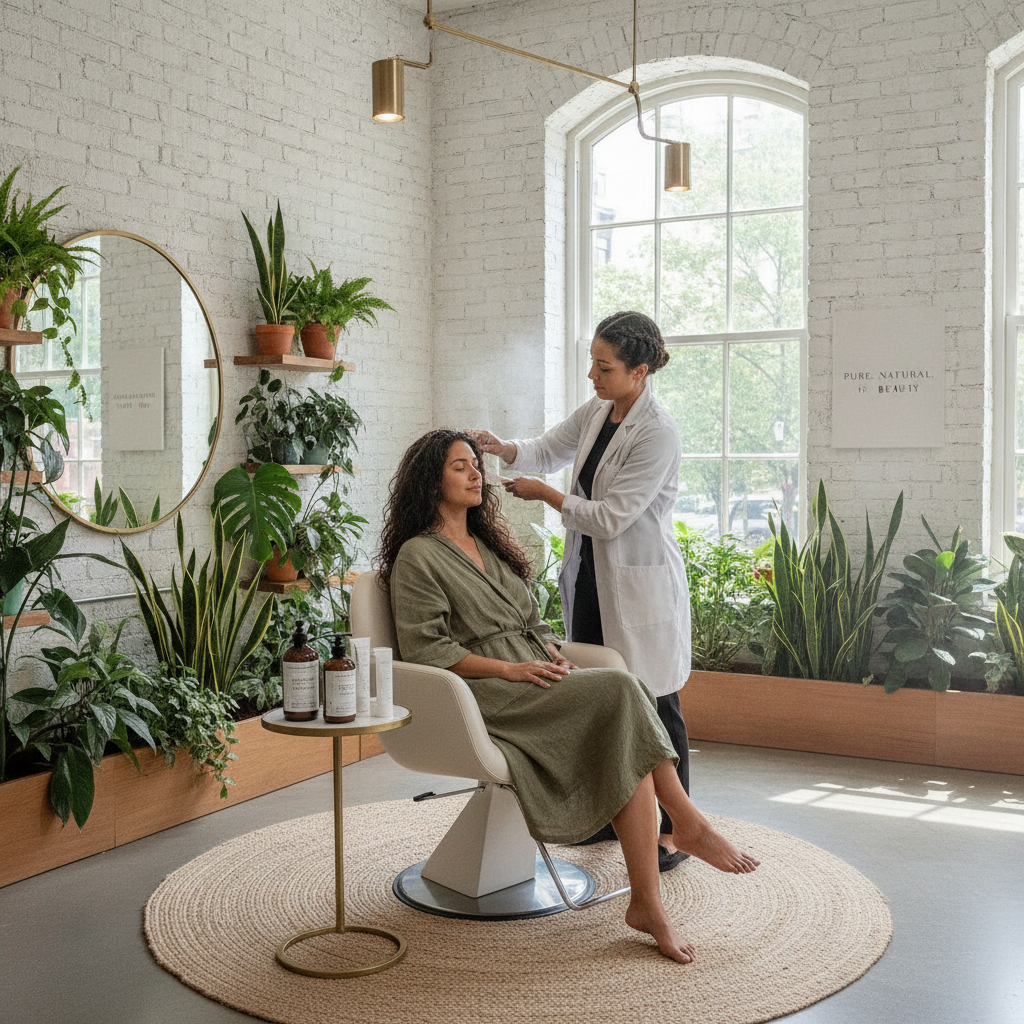
If you have ever walked out of a smoothing appointment with a headache, watery eyes, or a lingering chemical smell, you already know why the phrase “formaldehyde-free” has become a major search term. A keratin treatment NYC clients book today is expected to deliver smooth, frizz-controlled hair without making anyone in the room feel unwell. But the label alone does not tell the whole story, and the beauty industry has a long history of marketing language that sounds safer than it really is.
This guide is written for people who care about what goes on their scalp, what their stylist breathes in all day, and what they can reasonably expect from a gentler formula. We will walk through what formaldehyde actually does in smoothing products, how to read a label, what alternatives exist, how results differ, and what questions to ask before you sit in the chair. Whether you run a busy small business, work long hours at a desk, or simply want hair that behaves on humid days, you deserve straight answers instead of buzzwords.
We will keep things practical and honest. No miracle claims, no invented statistics, just a clear framework you can use to make a confident decision about your next smoothing service and to spot the difference between a thoughtful salon and a marketing slogan.
Why Formaldehyde Became the Center of the Keratin Conversation
Early smoothing systems relied on formaldehyde or chemicals that release it as a gas when heated, because it is extremely effective at locking a straightened shape into the hair. That strength is also the problem. When a flat iron hits treated hair, fumes can irritate the eyes, nose, and throat, and repeated exposure is a legitimate occupational concern for stylists who perform these services regularly.
Health agencies have flagged formaldehyde as a known irritant and a recognized carcinogen at certain exposure levels, which is why the conversation moved from whispers among stylists to mainstream consumer awareness. Many clients now ask about ingredients before they ask about price. If you are exploring a keratin hair treatment, understanding this history helps you separate genuine safety improvements from clever packaging.
The shift also changed how professional brands formulate. Many now build their smoothing lines around alternative cross-linking agents or amino-acid-based systems, aiming to deliver softness and frizz control with a gentler vapor profile during heat styling.
How to Read a Label Without a Chemistry Degree
The most important thing to know is that “formaldehyde-free” on the front of a bottle is a marketing claim, not a guarantee of what the product releases when heated. Some formulas avoid listing formaldehyde itself but include ingredients that can release it. Look for names such as methylene glycol, formalin, methanal, or formaldehyde releasers like DMDM hydantoin and quaternium-15 on the ingredient list or safety data sheet.
A trustworthy salon will not be offended if you ask to see the product’s safety data sheet. It is a standard document that manufacturers provide, and a professional should be comfortable discussing it. You are not being difficult, you are being informed.
Pay attention to how the product is described, too. Honest brands say “low-formaldehyde” or “formaldehyde-free formula” and explain what replaces it. Vague phrases like “all natural” or “clean smoothing” without ingredient transparency should prompt follow-up questions. A short conversation before booking can save you from a very long afternoon of regret.
What Gentler Smoothing Formulas Actually Use
Modern alternatives tend to fall into a few families. Some rely on glyoxylic acid, which smooths the cuticle through a different reaction. Others use amino acid blends, hydrolyzed proteins, or organic acids to coat and reinforce the strand while softening frizz. Each approach trades off strength, longevity, and how much straightening versus softening you can expect.
Glyoxylic acid systems often deliver a noticeable smoothing effect, but they are still chemical services that require proper ventilation and technique. Protein-forward formulas tend to feel more like a conditioning upgrade, with softer, more flexible results. Neither category is automatically harmless, and neither is automatically ineffective.
The right pick depends on your goals. If you want pin-straight hair, a gentler formula may leave you with more movement than you expected. If you want controlled frizz and a polished finish that still bends and curls, you may find the newer chemistry is exactly what you were hoping for.
Expectations Versus Reality: Results From Safer Formulas
One of the biggest sources of disappointment is a mismatch between what clients imagine and what a gentler formula delivers. Older-generation treatments could flatten even very curly hair into a sleek sheet for months. Newer options usually work with your natural pattern, reducing frizz and swelling while keeping some body.
That is not necessarily a downside. Many people discover they prefer hair that looks smooth but still feels alive. If you also color your hair, results can differ, since lightened strands behave differently from virgin hair. Anyone considering Professional Balayage in New York, NY alongside a smoothing service should plan the sequence with a stylist, because lifted sections absorb and hold products unevenly.
Ask to see real examples of clients with hair similar to yours rather than relying on stock photos. Honest before-and-after galleries, with lighting and styling disclosed, tell you far more than a glossy brochure ever could.
Choosing a Keratin Treatment NYC Salon With Safety in Mind
The city is packed with salons, so the decision often comes down to how a team handles the details most people never see. A safety-minded studio will talk openly about ventilation, product selection, and how they protect both clients and staff during heat-sealing steps. Those habits are signs of a professional culture, not just a product choice.
If your hair is already color-treated, timing matters. Smoothing right before or after a lightening service can influence tone and condition. Reading up on How Often NYC Balayage Really Needs Glosses, Trims, and Toners can help you map out a realistic maintenance calendar so one service does not undo the other.
Look for stylists who ask about your hair history, medications, scalp sensitivities, and pregnancy status before recommending anything. A thorough consultation is one of the clearest green flags you can find.
Questions Worth Asking Before You Book
A short list of questions can reveal a lot about a salon’s standards. You do not need to interrogate anyone, just approach the conversation with genuine curiosity. Most professionals appreciate clients who care about the details.
- Which exact product line do you use, and can I see the safety data sheet?
- What replaces formaldehyde in this formula, and how does it behave under heat?
- How is the space ventilated during the service?
- How will this work with my existing color or highlights?
- What aftercare products do you recommend, and are they sulfate-free?
If answers are vague, defensive, or full of buzzwords, consider that useful information. Clear, confident responses suggest a team that has done the homework and wants you to feel comfortable.
Comparing Common Smoothing Approaches
Because terminology varies from brand to brand, a side-by-side view can make decisions easier. The table below summarizes general characteristics. Individual products vary, so treat it as a starting point for conversation with your stylist rather than a final verdict.
| Approach | Typical Active | General Result | Best For |
|---|---|---|---|
| Traditional formaldehyde-based | Formaldehyde or releasers | Very straight, long lasting | Clients seeking maximum straightening |
| Glyoxylic acid systems | Glyoxylic acid | Smooth, noticeable frizz control | Wavy to curly hair wanting polish |
| Amino acid and protein blends | Hydrolyzed proteins, organic acids | Soft, flexible smoothing | Sensitive clients, color-treated hair |
| Conditioning smoothing masks | Moisturizing and bonding agents | Short-term softness | First-timers testing the waters |
Aftercare That Protects Your Investment
Even the gentlest formula depends on good aftercare. Most professionals recommend waiting a few days before washing, avoiding tight elastics or clips that create creases, and switching to sulfate-free cleansers that do not strip the coating you just paid for. Specific timelines vary by product, so follow your stylist’s written instructions rather than guessing.
Heat protection becomes more important, not less. Smooth hair can feel indestructible, but flat irons and blow dryers still cause cumulative damage. A quality protectant and moderate temperatures keep results looking fresh longer.
Humidity, swimming pools, and salt air can all shorten the life of a smoothing service. If you travel or spend time near the water, ask about a maintenance routine tailored to your habits. Small adjustments in the shower and at the dryer often make a bigger difference than any single product.
Who Should Pause or Skip Chemical Smoothing
Not everyone is a good candidate for every service. People who are pregnant or nursing, those with scalp conditions, and anyone with a history of reactions to hair products should talk to a healthcare provider before booking. A reputable stylist will respect that boundary and may suggest alternatives such as a deep conditioning ritual or a gloss instead.
Hair that is extremely damaged, recently over-lightened, or very fragile may not tolerate a smoothing service well. In those cases, rebuilding the strand first is usually the smarter move. Patience now can protect your hair for years.
If you are unsure, schedule a consultation without committing to the service. A good salon would rather talk you out of a poor fit than send you home with hair that feels worse than when you arrived. That honesty is a sign you are in the right hands.
Balancing Smooth Hair With Color Goals
Plenty of clients want both a polished texture and a dimensional color result, and the two can coexist with planning. Blonde and lightened hair needs extra care because the cuticle is already more porous. Understanding The New Rules of Blonde Maintenance in Tribeca: Tone, Shine, and Bond Care can help you decide how to layer services without overloading the hair in a single season.
A common approach is to separate services by a few weeks and let your stylist evaluate how the hair responds in between. Spacing things out may feel slower, but it often produces better tone and a healthier feel.
Communicate your priorities clearly. If shine and softness matter more than ruler-straight hair, say so. Stylists make better choices when they understand the outcome you are actually picturing, not just the service name you found online.
Cost, Time, and Value Considerations
Pricing for smoothing services varies widely depending on hair length, thickness, product line, and the stylist’s experience. Rather than chasing the lowest number, think about value. A well-executed service with a thoughtful aftercare plan can reduce daily styling time, which many busy professionals consider worth the investment.
Plan for a long appointment. Thorough application, processing, and sealing take patience, and rushing any step usually shows up in the final result. Block off your day, bring something to read, and treat it as a reset rather than a quick errand.
Finally, ask what is included. Some salons bundle a take-home product or a follow-up check, while others price those items separately. Knowing the full picture upfront prevents surprises and helps you compare options fairly.
Your Next Steps
Choosing a smoothing service in a city with endless options does not have to feel overwhelming. Start by deciding what you actually want: sleek and straight, soft and controlled, or simply less frizz on humid days. Then match that goal to a formula type, remembering that a gentler product may deliver a more natural finish than the older systems you may have heard about.
Do your homework on ingredients, but do not let jargon intimidate you. A few well-chosen questions about the product line, the safety data sheet, ventilation, and compatibility with your color history will tell you almost everything you need to know. Salons that welcome those questions tend to be the ones worth trusting.
Remember that “formaldehyde-free” is a starting point, not a finish line. Real safety comes from transparent products, skilled technique, honest consultations, and aftercare that you will actually follow. If you keep those four pillars in mind, you will be well equipped to evaluate any keratin treatment NYC offers and to walk out feeling confident about both your hair and your health.
Take your time, ask your questions, and choose the stylist who treats your concerns as seriously as you do. Smooth hair is wonderful, but feeling good about how you got there is even better.