
The New Rules of Blonde Maintenance in Tribeca: Tone, Shine, and Bond Care
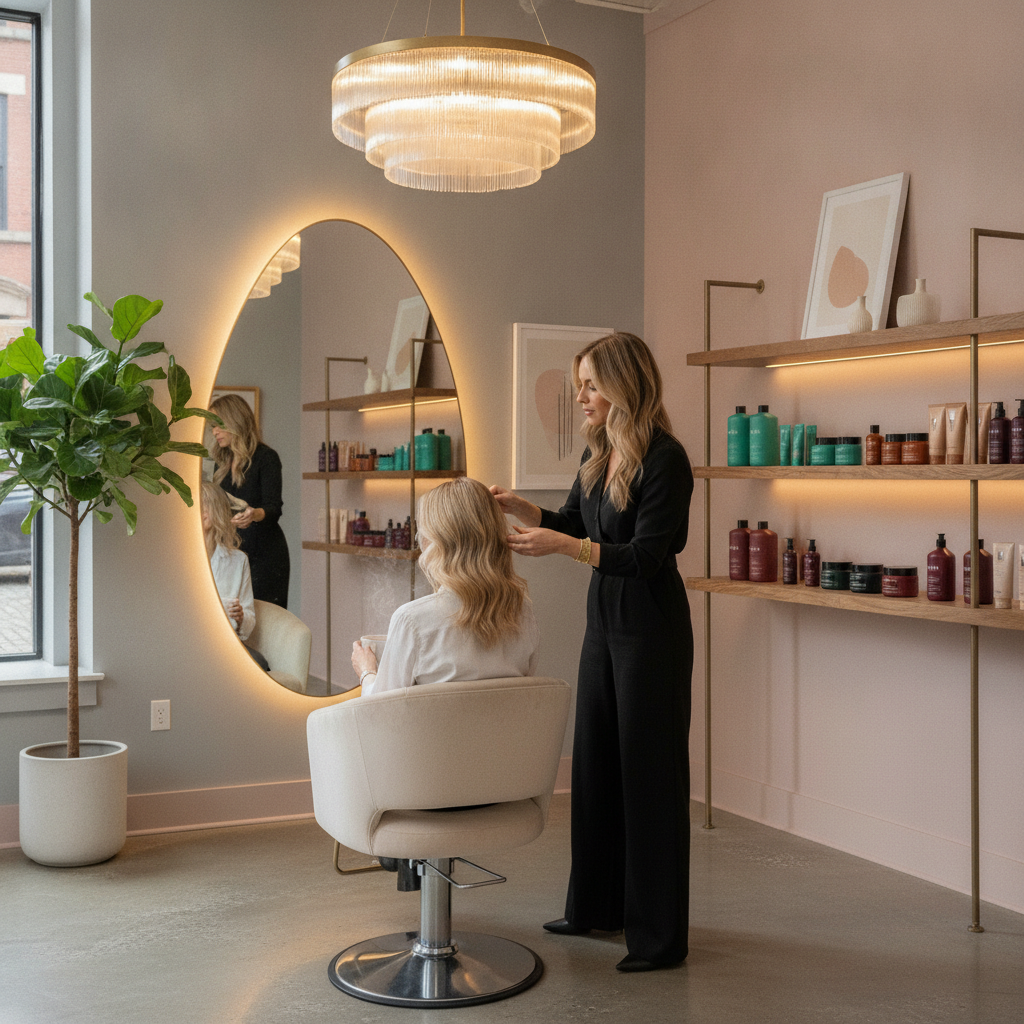
Blonde has always been the most demanding color to wear. It is not just the lightening that takes skill, it is everything that happens in the weeks afterward. Brass creeps in, shine fades, and strands that once felt silky start to feel thirsty. If you have ever walked out of a salon with the perfect pale butter shade only to see it turn warm and flat within a month, you already know the problem. The good news is that the rules of blonde upkeep have changed. Professionals now think in terms of three pillars working together: tone, shine, and bond care. Skip any one of them and the other two struggle.
For anyone exploring hair coloring Tribeca stylists offer, this shift matters because it changes what a good appointment looks like. A modern blonde service is no longer a single lightening step followed by a quick rinse. It is a plan that starts before the bleach touches your hair and continues through every shower, every blow-dry, and every visit that follows.
In this guide, you will learn how to read the early signs that your blonde is drifting, how toners and glosses really work, why bond-building is more than a buzzword, and how to build a routine that fits a busy schedule. Whether you are a business owner with back-to-back meetings or simply someone who wants their color to look intentional every day, these principles will help you protect both the shade and the hair underneath it.
Why Blonde Behaves Differently From Every Other Shade
Blonde is a result of removing pigment, and that process leaves hair more porous than it started. Porous hair absorbs minerals from water, product residue from styling, and pollutants from the air much faster than virgin hair does. That is why a blonde that looked flawless on Saturday can look dull by the following Friday. Darker colors hide a lot of this wear because depth masks texture. Light shades do the opposite, they put every flaw under a spotlight.
There is also the matter of underlying pigment. Every head of hair contains warm tones that surface when lightening happens, ranging from red to orange to yellow. A skilled colorist neutralizes these with careful formulation, but that correction is never permanent. Daily life gradually wears it away. Understanding this explains why blonde toning and shine treatments are not an optional extra but the maintenance backbone of the whole look. Think of lightening as building the canvas and toning as the finish that keeps the picture looking the way you paid for it.
How Toner Actually Works, and Why It Fades
Toner is a sheer, low-pigment color that deposits a counter-tone over lightened hair. Violet cancels yellow, blue cancels orange, and a soft beige or pearl can add a neutral finish on top. It does not lift or lighten anything, which is why it is gentle enough to refresh as often as your hair and schedule allow. Most toners sit mainly on the outer layers of the strand, so they gradually wash out rather than fade evenly.
Several things speed up that fade. Hot water opens the cuticle and lets pigment slip away. Sulfate-heavy shampoos strip it faster still. Chlorine, hard water minerals, and even strong sunlight all push the tone toward brass. The first few shampoos tend to cause the most visible change, so how you treat your hair in the first week matters more than any later week.
A good colorist will choose the toner shade based on your natural base, your lightening level, and the finish you want. Cool does not always mean better. Many people look best in a softened champagne or warm vanilla rather than an icy silver, and the right choice depends on skin undertone and lifestyle.
Gloss, Shine, and the Light-Reflection Effect
Shine is not simply a surface coating. It comes from how evenly light bounces off a smooth cuticle. When the outer layer of the hair lies flat, light reflects in a single direction and the hair looks glassy. When the cuticle is raised or damaged, light scatters and the hair looks matte, even if the color is perfect. This is why two people with the exact same shade can look completely different in photographs.
A gloss treatment addresses this by sealing and smoothing while adding a touch of sheer tone. It is quick, usually completed at the shampoo bowl, and it often makes more visible difference than a full color service. Many stylists recommend a gloss between major lightening appointments as a way to extend the life of the shade without further lightening.
Clear glosses exist too, for those who like their blonde exactly as it is but want depth and reflection. If you notice your hair looks more beige in the mirror than it did last month, a gloss is often the simplest correction, and it leaves the strand feeling softer rather than heavier.
Bond Care: The Part Most People Skip
Hair is held together by internal bonds, and lightening disrupts them. Bond-building treatments are designed to help restore and protect that internal structure so the strand stays stronger through color changes. They became a standard part of professional lightening because they address a problem that conditioner alone cannot fix: damage that happens inside the hair rather than on its surface.
There are two moments when bond care matters most. The first is during the service, when a protective additive can be blended into the lightener. The second is afterward, when a take-home treatment keeps supporting the strand. Both work best when they are part of a consistent routine rather than a one-time rescue.
If your lightening is gradual and dimensional, as in Professional Balayage in New York, NY, the hair is generally subjected to less total stress than a full head of bleach from root to tip. That can make maintenance easier, because your roots keep their natural strength and the lightened sections get focused attention. Ask your stylist which approach suits your hair history.
Building a Home Routine That Protects Your Blonde
Salon work lasts only as long as the care that follows it. A simple routine does most of the heavy lifting. Start with a sulfate-free, color-safe shampoo, and use it no more than necessary. Follow with a conditioner or mask that matches your hair’s needs, richer for dry strands and lighter for fine ones. Rinse with water that is cool to lukewarm, since heat is one of the fastest ways to lose tone.
A purple or blue-toned shampoo can help, but it should be used with care. Too much can leave a dull, slightly gray cast, especially on very light hair. A common approach is to use it once a week and leave it on only for a minute or two. Always follow with moisture, because these products can be drying.
Apartment living adds its own quirks, from hard water to dry indoor air. If that sounds like your situation, Balayage Aftercare for Apartment Life: The At-Home Routine That Keeps Color Fresh in Manhattan walks through a practical routine that adapts well to small spaces and busy mornings.
Tone, Shine, and Bond Care at a Glance
It helps to see how the three pillars compare, because they solve different problems and work on different timelines. The table below summarizes what each one does, how often it typically needs attention, and the main signs that it is time to address it. Use it as a quick reference when deciding what to ask for at your next visit.
| Pillar | What It Does | Typical Timing | Warning Signs |
|---|---|---|---|
| Tone | Neutralizes brassy undertones | Every few weeks, varies by hair | Yellow or orange warmth appears |
| Shine | Smooths the cuticle and reflects light | Between color services | Hair looks flat or matte |
| Bond Care | Supports internal strength | During and after lightening | Stretchy, gummy, or snapping strands |
Fitting Blonde Into a Packed Schedule
Not everyone can sit in a salon chair every few weeks, and a good plan should respect that. The smartest strategy is to design the color so it grows out gracefully. A softer root blend, a slightly deeper base, and a lived-in finish all reduce the harsh line that makes regrowth obvious. This stretches the time between major appointments without sacrificing how the hair looks day to day.
Short, targeted visits can fill the gaps. A quick gloss or tone refresh takes far less time than a full service and keeps brass from building up. Many clients alternate between a larger color appointment and a lighter maintenance visit, which spreads cost and chair time more evenly across the year.
If time is your biggest constraint, look at Balayage for Busy Tribeca Lifestyles: Low-Maintenance Color That Works with Real Schedules for a deeper look at how dimensional color can be planned around demanding calendars. The goal is color that looks polished even on a week when you could not make it in.
Water Quality and the Hidden Brass Culprit
Brassiness is often blamed on the color itself, but water is a frequent contributor. Minerals such as copper and iron can build up on porous hair and shift the tone warmer over time. If your blonde keeps turning coppery despite good products, your shower may be part of the story.
A filtered showerhead is a simple, relatively affordable fix that many colorists suggest. It will not change your hair on its own, but it reduces the mineral load that your color has to fight. A periodic clarifying treatment, done on your stylist’s advice, can also lift buildup without stripping the shade.
Pay attention to swimming as well. Chlorine can react with lightened hair and leave a greenish tint, particularly on very pale shades. Wetting hair with fresh water and applying a leave-in before entering a pool creates a protective barrier. Rinse and condition promptly afterward to keep minerals from settling in.
Heat Styling Without Cooking Your Color
Hot tools are another quiet source of fading and damage. Lightened hair is more sensitive to heat, and high temperatures can both scorch the strand and shift the tone toward yellow. The fix is not to give up styling, just to style smarter.
Always apply a heat protectant before blow-drying or using an iron, and keep temperatures moderate. Fine or heavily lightened hair usually does best at the lower end of what your tool allows. Let hair air-dry partway before blow-drying to cut down on total heat exposure, and avoid passing a flat iron over the same section repeatedly.
Pay attention to how your hair feels when wet. If it stretches and feels gummy, it needs more support before any heat touches it. A protein or bond-focused treatment can help restore balance, while overly dry, brittle hair usually needs moisture first. Learning which one your strands are asking for makes every styling session safer.
Consultation Questions That Set You Up for Success
The best results begin with a thorough conversation. Before any lightener is mixed, a stylist should ask about your hair history, including past color, box dye, relaxers, and heat habits. Hidden history is one of the most common reasons lightening goes sideways.
Come prepared with a few questions of your own. Ask how many sessions it may take to reach your goal shade safely, what your maintenance schedule will realistically look like, and what you will need to buy for home care. Ask whether a bond-building additive is part of the plan and how toning will be handled afterward.
Bring reference photos, but also bring honesty about your lifestyle. If you will not tone at home or visit every month, say so. A good professional will adjust the formula and the placement to match how you actually live. Clear expectations on both sides are what turn a nice appointment into color that holds up.
Signs Your Blonde Needs Professional Attention
Some changes are normal wear, while others signal that it is time to book. Persistent warmth that purple shampoo no longer corrects, a rough or straw-like feel, and ends that tangle easily all point toward a refresh. Breakage at the same spot repeatedly is another sign that the hair needs a bond treatment and possibly a trim.
Do not wait until the damage is dramatic. Small corrections made early are gentler and less expensive than major repairs later. A quick gloss or a conditioning service often restores tone and softness before a bigger intervention is needed.
If you are searching for hair coloring in Tribeca and want a stylist who treats tone, shine, and strength as one connected plan, look for someone who talks about maintenance as openly as they talk about the lightening itself. That kind of transparency usually predicts how well your color will age.
Bringing It Together
Healthy, luminous blonde is not luck and it is not a single product. It is the result of three pillars working in concert. Tone keeps the shade clean and true, shine makes it look rich and dimensional, and bond care protects the structure that holds everything together. Neglect any of them and the whole look slips, which is why the best routines treat them as one system rather than separate chores.
Start with the basics. Choose a color-safe shampoo, keep water temperature gentle, use a heat protectant, and add a mask or bond treatment on a regular rhythm. Layer in professional glosses and tone refreshes between larger services, and let your colorist guide the timing based on how your hair actually behaves rather than a generic calendar.
Remember that every head of hair is different. Texture, thickness, history, and lifestyle all change what works, so treat any guideline as a starting point and adjust with feedback from a trusted stylist. If you are ready to move beyond guesswork, schedule a consultation, bring your questions, and be candid about your schedule and habits. With the right plan, your blonde can stay bright, soft, and polished long after you leave the chair, and it will look like you barely had to try.
Pingback: Face Shape First: How Tribeca Stylists Customize Balayage Placement for a More Balanced Look – Tribeca Hair Studio NYC
Pingback: Extension Services in Tribeca: What Clients Should Know Before Booking K-Tips, Tape-Ins, or Hand-Tied Hair – Tribeca Hair Studio NYC