
Face Shape First: How Tribeca Stylists Customize Balayage Placement for a More Balanced Look
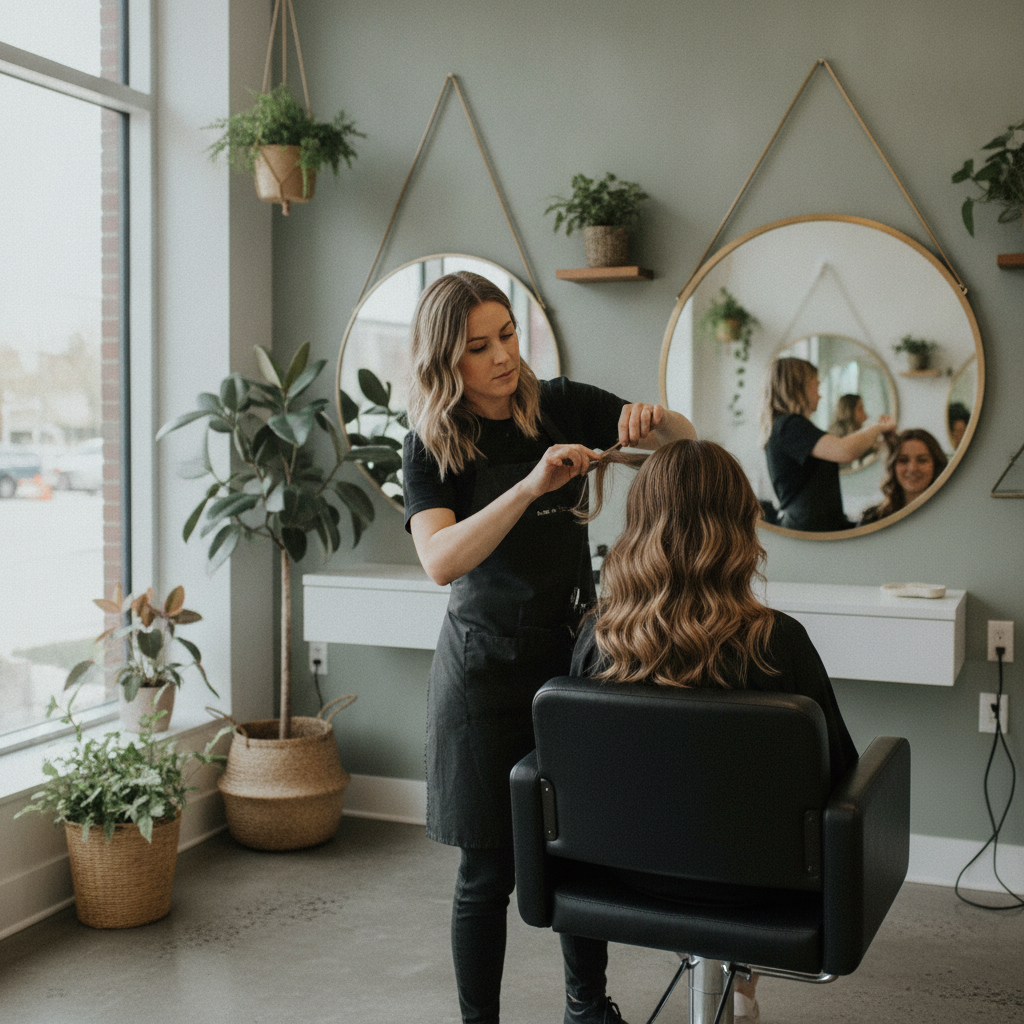
Two people can walk into the same salon, point to the same inspiration photo, and walk out with completely different results. The reason is rarely the formula. It is almost always the map. Where the lightness sits, how far it travels, and how it frames the cheekbones, jaw, and forehead decides whether a color looks effortless or slightly off. That is why balayage hair color Tribeca NYC clients love most is the kind that starts with a conversation about structure before a single brush touches a strand.
Face shape is one of the most overlooked tools in color design. A soft round face, a long oval, a strong square jaw, and a heart-shaped silhouette each respond differently to brightness placement. Light can lift and open, or it can widen and flatten, depending on where it lands. Skilled stylists treat the face like a canvas with natural contours, then paint around those contours to create balance.
In this guide, we walk through how stylists read your features, which placement strategies suit each shape, and how haircut, part, and texture change the plan. You will also get a practical consultation checklist so you can describe what you want in terms a colorist can act on. Think of it as a field manual for getting a dimensional result that feels made for you, not borrowed from a screenshot.
Why Face Shape Comes Before Formula
Most clients start a color conversation with shades: honey, caramel, champagne, ash. Stylists who think in terms of design start somewhere else. They look at the geometry of your face, the length of your hair, and how you actually wear it day to day. Shade matters, but placement does the heavy lifting when it comes to flattery.
Brightness draws the eye. Wherever the lightest pieces sit, attention follows. Place that brightness at the widest part of the face and you can make it read broader. Place it just above or below that point and you can create the illusion of lift, length, or softness. This is the logic behind the hand-painted approach, and it explains why balayage color techniques are so adaptable. Because the painting is freehand, the stylist can steer lightness exactly where your features need it instead of following a fixed pattern. A foil grid repeats itself evenly across the head. A hand-painted design can pause, shift, and concentrate, which is precisely what face framing requires.
How a Colorist Actually Reads Your Features
A good consultation includes a quiet moment where your stylist simply studies you. They are checking proportions: how wide your forehead is compared with your jaw, how prominent your cheekbones sit, whether your face is longer than it is wide, and where your chin ends. They also notice your natural part, your hairline, and any cowlicks that will change how the color falls.
Many stylists will ask you to pull your hair back or to flip it forward and back again. This reveals how the hair behaves when it moves, which matters more than how it looks when it is perfectly arranged. They may also mention skin undertone and eye color, since those influence tone, but the structural read comes first.
Expect questions about your routine too. Do you air dry or blow out? Do you wear your hair up for work? A client who lives in a ponytail needs lightness that looks intentional when the hair is pulled back, while someone who wears it down daily can have more concentrated face-framing pieces. The design is built for how you live, not for a still photograph.
Placement Strategies for Round Faces
Round faces tend to have similar width at the cheeks and jaw, with soft edges and a fuller midsection. The goal with color is usually to create the impression of length and definition. That means avoiding heavy brightness at ear level, where the hair already sits close to the widest part of the face.
Instead, stylists often place softer lightness lower, through the mid-lengths and ends, and add a few elongating pieces that start at the cheekbone and travel downward. Vertical lines are the friend of a round silhouette. A slightly deeper shade at the very front, blended into brighter ribbons further back, can create a subtle contouring effect without looking harsh.
Pairing this with a long layer or a side-swept fringe helps the color do its job. Some clients worry that going dimensional will add volume to the wrong place. A thoughtful placement plan does the opposite. When the lightest zone sits below the jaw, the eye travels down the hair and the face reads longer and more refined.
Oval, Square, and Heart: Matching Light to Structure
Oval faces are often described as the most versatile, because their proportions are naturally balanced. That freedom means the placement can follow preference. Many oval-faced clients enjoy a sun-kissed lift around the face and a gradual melt toward the ends, since nothing needs correcting. The stylist can focus on mood rather than adjustment.
Square faces have a strong, angular jaw and a wide forehead. Here, colorists tend to soften the corners. Bringing lightness through the jawline area and blending it in wavy, irregular strokes breaks up the sharp lines. Keeping the root area slightly deeper maintains definition at the top while the brighter ribbons below create movement and gentleness.
Heart-shaped faces carry width at the forehead and taper toward a narrower chin. To rebalance, stylists often add brightness lower, around the chin and below, which gives the lower half more visual weight. Light concentrated at the crown can exaggerate the top-heavy effect, so the placement shifts downward. Each shape calls for a different answer to the same question: where should the eye land?
A Quick Reference Table for Placement Planning
The table below summarizes common starting points. Treat it as a conversation guide rather than a rulebook, since haircut, texture, and personal taste always adjust the final plan.
| Face Shape | Common Goal | Typical Placement Approach |
|---|---|---|
| Round | Create length and definition | Vertical ribbons, brightness below the jaw |
| Oval | Highlight natural balance | Flexible, face-framing lift with a soft melt |
| Square | Soften strong angles | Irregular brightness through the jawline |
| Heart | Add weight to the lower half | Lightness near the chin, deeper at the crown |
| Long or oblong | Add width and softness | Horizontal blending, brightness at cheek level |
Long and Oblong Faces Need Width, Not Length
Faces that are noticeably longer than they are wide call for the opposite strategy from round faces. The aim is to introduce visual width and break up the vertical line. Stylists often concentrate brightness at cheek and ear level, where added dimension makes the face appear fuller through the middle.
Soft, horizontal blending helps here. Instead of long, straight streaks that emphasize length, the painter works in staggered, overlapping strokes that create a feathered, wider effect. A sweep of lightness around the cheekbones, combined with curtain-style layers, frames the face with volume at the right height.
It is also worth discussing the base color. A slightly richer root with luminous mid-lengths adds depth near the scalp and brightness exactly where width is wanted. Avoid placing the lightest tones at the very ends of very long hair, because that can pull the eye further downward and elongate the silhouette even more. Clients with this shape often notice that a mid-length cut paired with well-placed color transforms their overall proportions.
Haircut, Part, and Texture Change the Plan
Face shape sets the direction, but the cut and the hair itself refine it. A deep side part sends the face-framing pieces in a completely different direction than a center part, so the painter adjusts which side receives the brightest ribbons. A blunt bob needs lightness placed to follow the edge, while long layers can carry color that moves and catches light as they swing.
Texture matters just as much. Straight hair shows placement clearly, so precision counts. Wavy and curly hair rearranges itself, which means the color needs to look good in many positions rather than one. Curls tend to hide hard lines, but they can also clump lightness together, so a stylist may place pieces more sparingly and spread them across several curl patterns.
If you are planning a cut and a color together, ask for the haircut first. Color designed around a finished shape is far more accurate than color painted on a length that will soon change. Experienced stylists often prefer to see the final silhouette before mapping the brightness.
Bringing the Look to Life in Tribeca
Clients in this part of downtown tend to arrive with a clear sense of style but limited time, which makes a precise consultation especially valuable. Seeking out Professional Balayage in New York, NY means working with someone who can translate a loose idea into a specific placement plan, not just apply a generic fade from root to tip.
The neighborhood has a particular rhythm. Loft interiors, big windows, and a mix of natural and warm artificial lighting all affect how color reads throughout the day. A face-framing piece that looks soft in a bright studio may look different under evening restaurant lighting, so experienced stylists consider where you spend your time. That awareness shapes whether they choose a brighter contrast or a more blended, low-key melt around the face.
The result is color that reads as intentional from every angle. When placement respects your features, the lightness seems to belong to you, enhancing your eyes and cheekbones rather than competing with them. That quiet, balanced quality is what separates a thoughtful design from a trendy one.
Keeping Face-Framing Brightness Looking Intentional
Placement is only half the story. The pieces around your face are the first to show wear because they sit closest to your skin, touch your collar, and get handled most. If they turn brassy or dry, the balance you paid for disappears quickly. Keeping them fresh is what preserves the design between visits.
Tone control is central to this. Cooler or warmer shades both fade differently, and the front pieces tend to shift fastest. Reading up on The New Rules of Blonde Maintenance in Tribeca: Tone, Shine, and Bond Care can help you build a routine that protects exactly those high-visibility strands.
Practical habits help too. Use a lower heat setting around the face, rotate your part occasionally to distribute wear, and avoid piling products onto the brightest ribbons. A light, hydrating leave-in keeps them smooth so they reflect light rather than absorb it, which is what gives face-framing color its polished, luminous quality.
City Life and the Longevity of Your Placement
A well-designed placement can look crisp for weeks, but daily city exposure tests it. Pollution particles settle on the hair, commuting adds sweat and friction, and mineral-heavy water can dull brightness and shift tone. The front pieces, being the most exposed and the most noticeable, tend to show the effects first.
Small adjustments make a visible difference. A clarifying wash at sensible intervals clears buildup that mutes brightness, and a protective mist before heading out reduces the impact of the environment. For a deeper routine, Balayage Aftercare for City Pollution, Subway Sweat, and Hard Water breaks down how to counter each of these everyday stressors.
Think of aftercare as protecting the architecture of your color. When the light pieces stay clean, glossy, and correctly toned, the contouring effect your stylist designed stays visible. Neglect them, and even a perfectly mapped placement can start to look flat, uneven, or heavier than intended.
A Consultation Checklist You Can Use
Walking in prepared makes the appointment more productive. Bring a few reference photos, but also be ready to explain what you like about them in structural terms. Saying you love how the light opens up the face is more useful than naming a shade.
- Share how you usually wear your hair: down, up, parted, or tucked behind your ears.
- Point out any features you want to highlight or soften, such as cheekbones, jaw, or forehead.
- Ask where the brightest pieces will sit and why that spot suits your face.
- Discuss contrast level, from barely-there blend to noticeable dimension.
- Confirm whether any haircut changes should happen before or after the color.
- Ask what upkeep the front pieces will realistically need at home.
A confident stylist will welcome these questions and answer them with specifics. If you leave the chair able to explain why your color sits where it does, the consultation did its job.
Your Next Steps
The most flattering color is rarely the one with the trendiest name. It is the one placed with your face in mind. Round, oval, square, heart, and long faces each respond to light in their own way, and a skilled colorist uses that knowledge to create balance rather than simply add brightness. Where the lightness begins, where it concentrates, and where it fades are design decisions, and they deserve as much attention as the shade itself.
Remember that your haircut, part, texture, and daily routine all feed into the plan. A pulled-back ponytail, a deep side part, or a curly pattern each change what the best placement looks like. Give your stylist that context, ask where the brightest pieces will land, and request a design that suits how you actually live and the lighting you live in.
After the appointment, protect the work. Keep the front pieces toned, hydrated, and clean, and adjust your habits to the demands of city life. With a thoughtful consultation and steady care, balayage hair color Tribeca NYC clients choose can look balanced, expensive, and unmistakably personal for the whole stretch between visits. Start with your face, and let everything else follow from there.