
Frizz-Proofing Balayage in Manhattan: Daily Habits That Preserve Shine
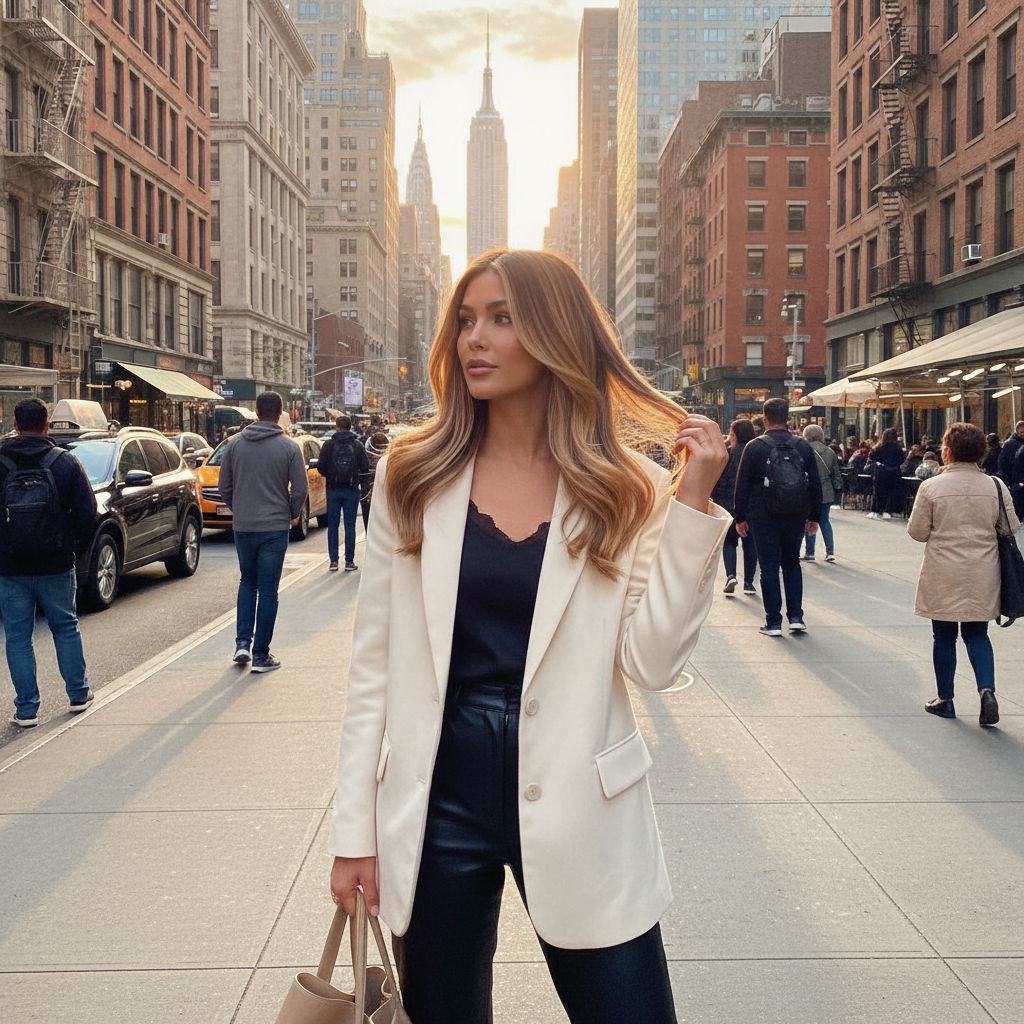
Anyone who has walked out of a salon with glossy, sun-kissed ribbons of color knows how fast the magic can fade. In a city where humidity swings, subway commutes, steamy showers, and hard tap water all collide, frizz is the number one thing that dulls a fresh balayage. The good news is that frizz is rarely random. It usually traces back to a handful of daily habits that either protect the hair cuticle or quietly rough it up. If you are looking for balayage maintenance tips for NYC hair, the most effective changes are small, repeatable, and surprisingly simple.
Lightened hair is more porous than untouched hair, which means it absorbs moisture quickly and loses it just as fast. That is why a blowout can look perfect at 8 a.m. and puff up by lunch when the air turns damp. Frizz is essentially the hair reaching for water it cannot hold onto. Rather than fighting that with heavy products, the smarter approach is to smooth the cuticle, seal in moisture, and cut down on the friction that lifts it.
In this guide, we will walk through the daily rituals that make the biggest difference: how you wash, how you dry, what you put on your hair before leaving the apartment, and how you treat it at night. You will also find a quick reference table, a short troubleshooting section, and a realistic way to build a routine that fits a packed city schedule without turning into a second job.
Why Balayage Frizzes Faster Than Other Color
Balayage is painted by hand, which means the lightest sections of your hair have been through the most lifting. That process opens the cuticle, the overlapping outer scales that act like shingles on a roof. When those scales lie flat, hair looks shiny and feels smooth. When they stay lifted, light scatters instead of reflecting, and the strands catch on each other, creating that fuzzy halo around the crown and ends.
The brightest ribbons are also the thinnest and driest, so they respond differently from your natural base. This is why frizz often concentrates around the face and mid-lengths, exactly where the lightest pieces live. A stylist at Tribeca Hair Studio NYC can map where your hair is most fragile and recommend where to focus conditioning. The takeaway is that frizz-proofing is less about masking the problem and more about treating light and dark zones with slightly different levels of care.
Rethinking the Shower: Water Temperature and Hard Minerals
The shower is where most frizz is either prevented or invited. Very hot water swells the hair shaft and strips natural oils, leaving lightened strands rough and thirsty. Switching to lukewarm water for shampooing and finishing with a cool rinse helps the cuticle settle flat. It sounds minor, but over weeks the difference in softness is noticeable.
City plumbing can also add a layer of mineral buildup that makes color look dull and hair feel coated. If your hair feels heavy yet somehow still dry, minerals may be part of the story. A showerhead filter is an inexpensive upgrade, and a clarifying wash once every few weeks can reset the slate. Just follow it immediately with a rich conditioner, because clarifying products are strong and can leave balayage feeling tight if used alone.
- Shampoo with lukewarm water, not hot.
- Focus shampoo on the scalp and let suds rinse through the lengths.
- Finish with a cool rinse to help close the cuticle.
- Clarify only when buildup shows up, then condition deeply.
Washing Less Without Looking Unwashed
Every wash, even a gentle one, gives color a chance to loosen and moisture a chance to escape. Most balayage clients do well washing two to three times a week rather than daily, though the right number depends on scalp oiliness, hair texture, and how often you work out. The aim is to stretch the time between washes comfortably, not to endure greasy roots.
Dry shampoo applied at the roots the night before can absorb oil while you sleep, so your morning style looks fresher with less effort. Keep it off the lightened lengths, since powder can leave them looking chalky and dry. When you do wash, choose a sulfate-free, color-safe formula and apply conditioner from the mid-lengths down. Those who want a hands-on plan for the finish of their service can explore Professional Balayage in New York, NY to understand how placement and tone choices affect how often a wash day is realistic.
The Towel Technique That Cuts Friction
Rubbing wet hair with a standard bath towel is one of the most common causes of frizz, and one of the easiest to fix. Wet hair is at its most fragile, and roughly scrubbing it lifts the cuticle and snaps fragile ends. Instead, squeeze out excess water with your hands, then gently blot with a microfiber towel or an old cotton T-shirt, which has a smoother weave and less drag.
Avoid wrapping hair tightly in a heavy towel for long stretches, as the weight can stress the roots and distort natural wave patterns. A loose wrap for a few minutes is plenty. Once the hair is damp rather than dripping, apply your leave-in product while the cuticle is still receptive. Detangle with a wide-tooth comb, starting at the ends and working upward, so you are not dragging a brush through knots and creating the very breakage you are trying to avoid.
Smart Heat Habits for Smoother Lightened Hair
Heat is both a styling tool and a frizz culprit. Lightened hair can handle heat, but only in moderation and with protection. Always apply a heat protectant before blow-drying or using an iron, and keep tools at a moderate setting. Many balayage clients find that dropping the temperature by even a notch leaves hair noticeably silkier, since extreme heat can permanently roughen the cuticle.
Air-drying until about eighty percent dry and then finishing with a blow dryer on medium heat is a gentler path than blasting soaking hair for twenty minutes. Use the nozzle attachment to direct airflow down the hair shaft, which encourages the cuticle to lie flat. Keep the dryer moving rather than holding it in one spot. If you straighten, make a single slow pass instead of several fast ones, and let hair cool before touching it, since styles set as they cool and hold shine longer.
Building a Leave-In Layer That Seals Moisture
A leave-in product is the quiet hero of frizz control. Think of it as a flexible shield that helps hair hold hydration even when humidity spikes. The best formulas for balayage are lightweight enough to avoid weighing down fine hair yet nourishing enough to soften the driest, brightest ribbons. Apply to damp hair, concentrating on the ends and the lightest sections.
Layering matters. A cream or milk goes on first for moisture, followed by a few drops of oil or serum on dry ends to seal everything in. Too much oil on the roots will look greasy, so keep application below the ears. If hair feels stiff or crunchy, you are using too much or too heavy a product. Start with a pea-sized amount and build up, because it is far easier to add than to wash out and start again.
A Quick-Reference Frizz Habit Chart
Sometimes it helps to see everything in one place. The chart below pairs common daily moments with the habit that protects shine and the mistake that quietly causes frizz, so you can spot patterns in your own routine at a glance.
| Daily Moment | Shine-Protecting Habit | Frizz-Causing Mistake |
|---|---|---|
| Shower | Lukewarm water, cool final rinse | Very hot water every wash |
| Towel dry | Blot with microfiber or cotton tee | Vigorous rubbing with a rough towel |
| Styling | Heat protectant and moderate temperature | High heat with no protection |
| Detangling | Wide-tooth comb, ends first | Brushing soaking wet hair from the roots |
| Humid commute | Leave-in plus a loose, low style | Constant touching and re-brushing |
| Bedtime | Silk pillowcase or loose braid | Tight elastics and cotton pillowcases |
Handling Humidity on Manhattan Summer Days
Humid air is the great equalizer of hair styles. When moisture in the air is higher than the moisture in your strands, hair swells and frizzes. Locally, summer afternoons and rainy spring mornings can turn a sleek style into a cloud within a block or two. Planning ahead beats reacting once it happens.
On damp days, lean on anti-humidity leave-ins that form a light barrier against airborne moisture, and consider styles that work with the weather rather than against it. A low braid, a sleek bun, or a loose twist keeps lightened ends protected and tucked away. Carry a small tube of smoothing cream or a few drops of serum in your bag to tame flyaways without reaching for a brush, which can scatter frizz further and stretch fragile strands.
Nighttime and Morning Rituals That Pay Off
What happens while you sleep can undo hours of careful styling. Cotton pillowcases create friction that roughs up the cuticle, especially on lightened strands. A silk or satin pillowcase lets hair glide, which cuts down on morning frizz and tangles. If you do not want to switch bedding, a loose silk scrunchie and a soft braid or pineapple ponytail achieve a similar protective effect.
In the morning, resist the urge to brush vigorously. Use your fingers or a wide-tooth comb on dry hair, and refresh only the sections that need it with a light mist of water mixed with a touch of leave-in. A tiny amount of smoothing balm warmed between your palms and run over the surface can calm flyaways instantly. These small steps take less than two minutes and extend the life of a good hair day considerably.
Treatments and Extensions: Protecting What You Add
Weekly masks and occasional glossing treatments restore moisture and shine that daily life steadily removes. A hydrating mask used once a week can noticeably soften dry ribbons, while a protein-balanced option helps strengthen hair that feels stretchy or limp. Rotate based on what your hair tells you rather than following a rigid schedule.
If you pair balayage with added length or volume, the care routine needs a few extra considerations, since friction at attachment points can cause matting and rough texture. Reading up on Extension Services in Tribeca: What Clients Should Know Before Booking K-Tips, Tape-Ins, or Hand-Tied Hair can help you choose a method that blends seamlessly with your color and stays manageable day to day, so your shine does not stop at the roots.
Telling Your Stylist What Your Hair Actually Does
Your stylist cannot see how your hair behaves at home, so honest feedback is invaluable. Mention where frizz shows up, how long a blowout lasts, which products you already use, and how much time you realistically spend styling. That information shapes everything from the tone chosen to the placement of lighter pieces and the treatments recommended between visits.
A thoughtful consultation sets expectations before color is ever mixed. Preparing a few questions helps, and resources like What Makes a Great Color Consultation in Tribeca? The Questions Clients Should Ask outline what to raise before your appointment. Bring photos of styles you love and ones you dislike, and be upfront about your maintenance tolerance. A plan built around your real habits will always outperform one built on wishful thinking.
Troubleshooting Stubborn Frizz
If you have tightened up your routine and still see frizz, it is worth diagnosing the cause instead of adding more products. Hair that feels gummy and stretchy when wet usually needs protein and strength, while hair that feels brittle and straw-like needs moisture. Mixing these up can make the problem worse, so pay attention to texture when wet.
- Frizz only at the ends often signals a need for a trim.
- Frizz at the crown can mean new growth or heat damage from styling.
- Frizz around the face is usually the lightest, finest hair needing extra moisture.
- Overall puffiness may point to buildup from too many products.
When trouble persists, a professional gloss or smoothing service may be the missing piece, and your stylist can advise which option fits your hair history.
Your Next Steps
Frizz-proofing balayage is not about one miracle product. It is about stacking small, consistent habits so that your hair spends less time rough, dry, and exposed. Wash with lukewarm water, blot instead of rubbing, protect against heat, seal moisture with a lightweight leave-in, and give your hair a friction-free place to rest at night. Each of those choices nudges the cuticle toward lying flat, and flat cuticles are what create that mirror-like shine everyone wants.
Start by choosing just two habits from this guide and practicing them for two weeks. Maybe it is the cooler rinse and the microfiber towel, or perhaps it is the silk pillowcase and a better leave-in. Once those feel automatic, layer in another. Trying to overhaul everything at once usually backfires, while gradual changes stick and show results you can actually see in the mirror.
Remember that your routine should evolve with the seasons, your schedule, and the condition of your hair. Humid months call for more sealing and styling strategy, while dry winter air asks for deeper conditioning. Stay in touch with your stylist, share what is and is not working, and adjust together. With a little consistency, your balayage can stay luminous, soft, and smooth long after you leave the chair.
Pingback: Keratin Treatment NYC Aftercare: Shampoos, Heat Styling, and Frizz Prevention – Tribeca Hair Studio NYC
Pingback: Seasonal Shade Planning in NYC: The Best Colors for Fall, Winter, Spring, and Summer – Tribeca Hair Studio NYC