
Low-Fuss, Long-Lasting: Balayage Maintenance Tips for Busy New Yorkers
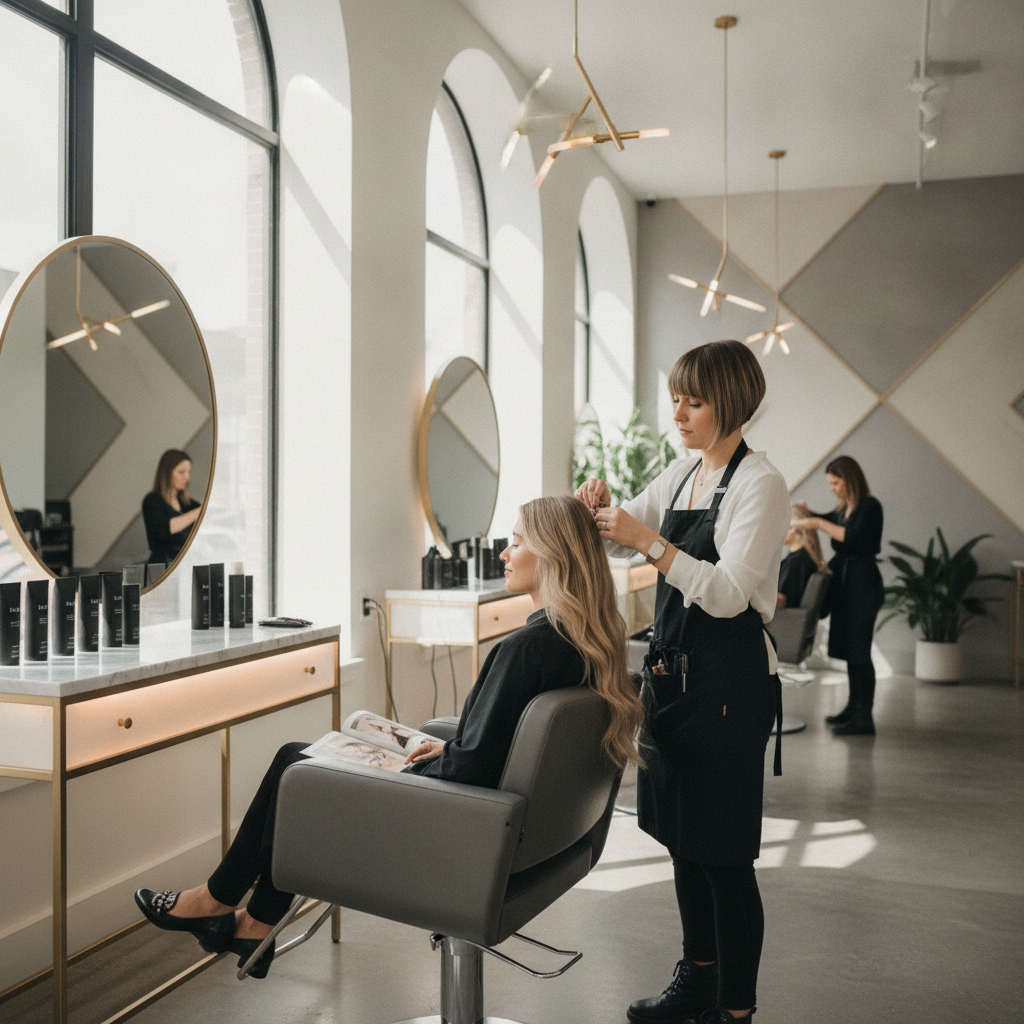
Balayage has a reputation as the low-maintenance color, and in many ways it earns it. The soft, hand-painted transition means no harsh regrowth line and no panicked salon booking every five weeks. But “low-maintenance” does not mean “no maintenance,” and anyone who has watched a gorgeous caramel melt turn brassy after a few weeks of city living knows the difference. Between subway commutes, hard tap water, steamy gym showers, dry radiator heat in winter, and humid summers, urban life puts real demands on lightened hair.
The good news is that you do not need a twelve-step routine or a free Sunday afternoon to keep your color looking fresh. You need a handful of smart habits, a few well-chosen products, and a realistic rhythm that fits a packed calendar. If you are wondering how to maintain balayage hair in New York City without turning it into a second job, this guide breaks it down into simple, repeatable moves.
We will walk through what actually happens to balayage once you leave the salon chair, how water and environment affect tone, which habits deliver the biggest payoff for the least effort, and how to decide where your time and money are best spent. Think of it as a practical playbook for people who want dimensional, glossy color but have a calendar that rarely slows down.
Why Balayage Is Easier Than Other Colors (But Not Effortless)
The appeal of balayage comes down to how it is applied. Instead of foils placed from the scalp, the colorist sweeps lightener freehand through selected sections, keeping the brightest areas away from the root. As your hair grows, the transition stays blurred, so there is no stark line to cover up. That is why many people stretch their appointments to three or four months.
Still, lightened strands are more porous than untouched hair. They absorb moisture, minerals, and pollutants faster and release color molecules more easily. Understanding how to maintain balayage hair in New York City starts with accepting that the lighter sections need a bit more care than the rest of your head. The goal is not perfection, it is slowing down the fade and keeping the tone you paid for looking intentional.
A good mindset is to treat your balayage like a favorite leather jacket. It looks better with occasional conditioning, a little protection from the elements, and gentle handling. You would not scrub it daily, and you would not leave it in the rain. Small, consistent gestures beat dramatic rescue missions every time.
Start With the Right Foundation at the Salon
Maintenance really begins before you leave the chair. The way your color is placed, toned, and finished determines how gracefully it ages. A colorist who customizes the placement to your haircut and natural base will give you a grow-out that looks deliberate rather than patchy. If you are still shopping around, exploring options for Professional Balayage in New York, NY can help you compare techniques, consultation styles, and aftercare guidance before committing.
During your consultation, be honest about your lifestyle. Tell your stylist how often you wash your hair, whether you use hot tools daily, how much time you spend outdoors, and what your budget looks like for upkeep. A realistic conversation leads to a smarter formula. For example, a slightly deeper root and softer brightness at the ends can mean fewer touch-ups.
Ask for a take-home plan before you pay. A strong stylist will tell you when to return, what to use at home, and which signs mean you can wait longer. That plan becomes your roadmap, and it saves you from guessing, overbuying products, or booking appointments you do not actually need.
How Hard Water and City Air Affect Your Tone
Many residents notice that color looks different here than it did on vacation or at a previous address. Water can carry minerals that cling to porous strands, leaving a dull, slightly orange or muddy cast over time. Add airborne grime, humidity swings, and sun reflecting off glass towers, and your tone can drift faster than you expect.
A shower filter is one of the most underrated investments for lightened hair. It will not fix everything, but it can reduce mineral buildup that makes blondes look flat and brunettes look rusty. Pair it with a clarifying shampoo used sparingly, perhaps once every two to three weeks, to reset the surface without stripping color.
If you have a shoulder-length cut or longer, remember that the ends spend the most time exposed to your coat collar, scarf, and backpack straps. Friction roughens the cuticle and speeds fading. Loose braids or a silk scrunchie on commute days help protect the brightest sections. Small environmental awareness makes a visible difference by the time your next appointment rolls around.
The Wash Routine That Protects Dimension
If there is one change that pays off fastest, it is washing less often and more gently. Shampooing every day strips natural oils and accelerates fading, especially on lightened ends. Aim for two to four washes per week, using lukewarm rather than hot water, and focus shampoo on the scalp rather than scrubbing the lengths.
Choose a sulfate-free, color-safe formula and condition from mid-length to ends every single time. When your schedule makes skipping wash days feel impossible, a dry shampoo can stretch things by a day, and a quick rinse with conditioner alone can refresh without stripping. Understanding How Often NYC Balayage Really Needs Glosses, Trims, and Toners also helps you decide which in-between treatments are worth the time and which are optional extras.
Finish with a cool-water rinse if you can tolerate it. It smooths the cuticle and boosts shine. These steps take seconds, cost nothing extra, and noticeably extend the life of your tone between salon visits.
Choosing Balayage Shades That Age Gracefully
Not every shade demands the same effort. Soft, close-to-natural tones such as honey, toffee, and muted caramel tend to grow out gently and forgive missed appointments. Icy blondes and high-contrast pieces look stunning fresh but need more frequent toning to stay clean. If you rarely have time for upkeep, ask your colorist to keep the palette within a few shades of your natural base.
Brunettes have an especially good option here. Rich, dimensional brown tones can add depth without full lightening, which means less damage and a softer grow-out. You can see how this approach works in Brunette Balayage in Tribeca: Rich Dimension Without a Full-Lightening Commitment, which explores the look in more detail.
A useful rule of thumb is that the bigger the jump from your natural color, the more maintenance you will sign up for. Choosing a shade that complements your skin tone and lifestyle, rather than chasing a trend photo, is the single best way to keep color looking good with minimal effort.
A Simple Weekly Care Rhythm for Packed Schedules
Consistency matters more than intensity. Instead of an elaborate regimen you will abandon by Wednesday, build a rhythm that fits around meetings, deadlines, and social plans. The table below shows a sample weekly plan that takes only a few extra minutes.
| Day | Quick Task | Time Needed |
|---|---|---|
| Monday | Color-safe shampoo and conditioner wash | 10 minutes |
| Wednesday | Dry shampoo or conditioner-only rinse | 5 minutes |
| Friday | Wash plus leave-in or lightweight oil on ends | 10 minutes |
| Sunday | Deep conditioning mask while you catch up on emails | 15 minutes |
Masks, Gloss Treatments, and Purple Products
Toning products are where many people overspend or overuse. Purple shampoo, for instance, counteracts yellow tones on cool blondes, but heavy use can leave strands dull or slightly lilac. Warm brunettes and honey blondes often do better with a blue-leaning product, if any at all. Ask your colorist which direction your hair actually leans before buying anything.
Hydrating masks are a safer bet. Once a week, apply a rich conditioner or bond-supporting treatment from mid-lengths to ends and leave it on while you do something else. The goal is to replace the moisture lightened hair loses so strands stay smooth and reflect light, which makes color look more vibrant even when it has technically faded.
Salon gloss appointments are quick and can revive shine and correct tone between full services. Many people find a gloss every couple of months gives them the biggest visual boost for the smallest time investment. If budget is tight, prioritize a gloss over a full touch-up when your ends look healthy but the shade feels tired.
Heat Styling Without the Damage
Blow dryers, flat irons, and curling wands are often the hidden culprits behind dull, brittle balayage. Lightened hair has less internal strength to begin with, and repeated high heat can scorch the brightest pieces and shift their tone toward yellow or brassy. You do not have to give up styling, but you do need to be strategic.
Always apply a heat protectant before using any tool, and keep temperatures moderate, generally below 350 degrees Fahrenheit for fine or heavily lightened hair. Let your hair air dry partway before blow-drying, which shortens exposure time. A diffuser on low heat can also soften waves without blasting the ends.
- Use a heat protectant every single time, even on quick touch-ups.
- Skip going over the same section repeatedly with a flat iron.
- Try overnight braids or flexi rods for heat-free waves.
- Swap one heat-styled day per week for a natural or air-dried look.
Smart Habits for Gyms, Pools, and Humid Days
Active schedules bring their own challenges. Chlorine and salt water can strip toner and leave strands dry, while sweat and humidity encourage frizz and uneven fading. Before swimming, wet your hair with clean water and apply a bit of conditioner or leave-in so strands soak up less chlorine. Rinse thoroughly afterward and follow with a gentle wash when possible.
For gym days, pull your hair into a low, loose style to limit friction and sweat contact with the brightest sections. Avoid tight elastic bands directly on lightened lengths, since they can cause snapping. A quick rinse and conditioner pass after workouts often works better than a full shampoo, especially if you are sweating several times a week.
Humid summer days can make balayage look frizzy and dimensional color look flat. A lightweight anti-humidity serum on damp hair helps seal the cuticle and keeps shine intact. In dry winter months, swap to richer creams and consider a humidifier at home to protect hair and scalp from radiator heat.
Knowing When You Truly Need to Rebook
One of the best things about balayage is that you can usually stretch appointments well beyond the six-week cycle of traditional highlights. Many wearers comfortably go three to four months, sometimes longer, depending on how close the color sits to their natural base and how well they care for it at home.
Instead of watching a calendar, watch your hair. Signs it may be time to book include a noticeably brassy cast that products cannot fix, ends that feel rough or look dry despite regular conditioning, and a grow-out that no longer looks soft in photos or natural light. If you notice only slight fading, a gloss or toner alone may be enough.
Trim timing matters too. Light dusting every eight to twelve weeks keeps ends crisp and prevents split ends from traveling upward, which protects the investment you have made in color. Rebooking while your hair still looks healthy is cheaper and gentler than waiting until it needs repair.
Budgeting Your Time and Money Wisely
Maintenance does not have to be expensive. The trick is putting your resources where they pay off most. A good shampoo and conditioner, a heat protectant, and a weekly mask cover the essentials for most people. Fancy extras can wait unless your hair clearly needs them.
Consider spreading costs across the year rather than facing one big bill. A full balayage service once or twice annually, paired with occasional gloss appointments and regular trims, often costs less over time than frequent heavy touch-ups. Ask your stylist which appointment gives you the most visual improvement per dollar for your specific color.
Be cautious of marketing hype. Not every trendy treatment is necessary, and not every product deserves a spot on your shelf. If you have a trusted colorist, lean on their recommendations and request a short list of must-haves. That keeps your routine lean, your counter uncluttered, and your color on track.
Bringing It Together
Keeping balayage beautiful in a fast-moving city comes down to a few reliable principles. Start with a customized service that matches your lifestyle and natural base, so the grow-out is graceful from day one. Wash less often, use lukewarm water, and condition every time. Protect your strands from heat, friction, minerals, and sun, and fill in the gaps with a weekly mask and an occasional gloss.
Equally important, give yourself permission to keep things simple. You do not need a shelf full of products or a rigid schedule. A modest, consistent routine beats an ambitious one you cannot sustain. Watch for the real signals that your color needs attention, such as lingering brassiness, dry ends, or a flat, tired tone, and rebook when those appear rather than by habit alone.
Most of all, remember why you chose balayage in the first place: soft dimension, natural movement, and color that fits into real life instead of fighting it. With a handful of smart choices and a stylist who understands your routine, you can enjoy glossy, sun-kissed hair that holds its shape and shine from one appointment to the next, no matter how busy your days become.