
Seasonal Shade Planning in NYC: The Best Colors for Fall, Winter, Spring, and Summer
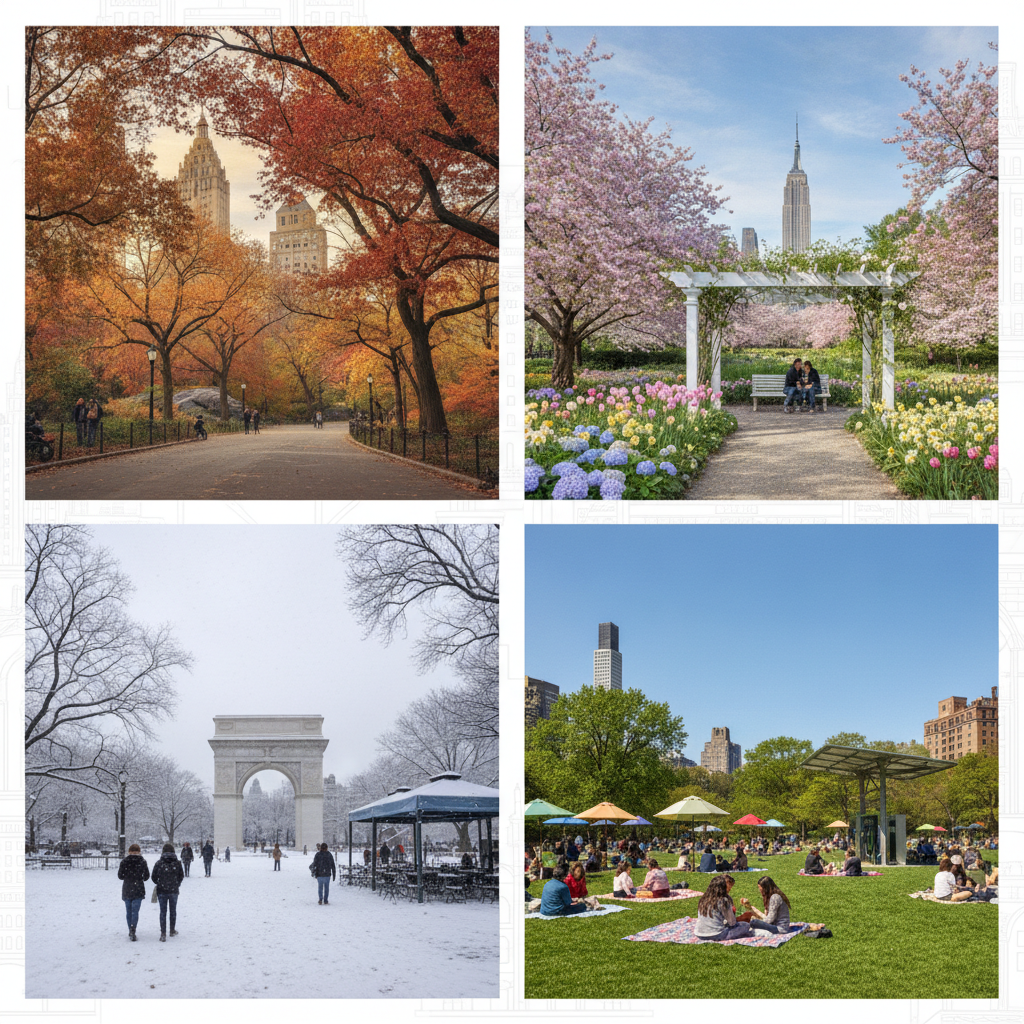
Your closet changes with the seasons, so why shouldn’t your hair color? The light on a gray February morning is nothing like the light bouncing off a July sidewalk, and the same shade can look completely different from one season to the next. That is exactly why so many city dwellers lean on New York hair color specialists to plan their shade a few months ahead instead of repeating the same formula all year. A good seasonal plan keeps your color feeling fresh, flattering, and intentional without forcing you into a dramatic change every three months.
Think of seasonal shade planning as a calendar for your color. Fall asks for depth and warmth, winter rewards contrast and richness, spring loves softness and brightness, and summer thrives on sun-kissed dimension. Each stretch of the year also puts different demands on your hair, from dry indoor heat to humidity, salt air on weekend getaways, and the glare of strong sun.
In this guide, we walk through the best colors for each season, how to transition between them gracefully, and the practical details that make a plan work for a busy life. Whether you are a small business owner who wants a polished look for client meetings, a developer who would rather spend as little time as possible in the chair, or simply someone curious about color, you will find clear, usable ideas here.
Why Your Hair Color Should Follow the Calendar
Seasonal planning works because light, wardrobe, skin tone, and lifestyle all shift through the year. Winter skin tends to look paler, so a slightly richer or deeper shade can add warmth to the face. Summer skin picks up color, which makes brighter, lighter tones look natural and effortless. Planning around these shifts means you are never fighting your complexion or your surroundings.
It also helps with maintenance. When you map your shades in advance, you can schedule appointments before color fades rather than after it turns brassy or flat. A team like Tribeca Hair Studio NYC can look at where your color sits today and suggest a gentle path toward the next season, so each visit builds on the last rather than starting from scratch.
The goal is not constant reinvention. It is small, strategic adjustments, such as brightening a few face-framing pieces in spring or deepening the base in fall, that keep your look current while protecting the health of your hair.
Fall Shades: Warmth, Depth, and Cozy Richness
Autumn is the season of spice, and the best fall colors borrow from it. Think cinnamon, chestnut, toffee, caramel, and copper-leaning browns. These shades echo the changing leaves and pair beautifully with the textures people reach for as the weather cools, like knits, leather, and wool.
If you spent the summer in lighter tones, fall is the ideal moment to add dimension back in with a technique that keeps your color looking lived-in. Many clients choose Professional Balayage in New York, NY as a way to blend deeper ribbons through sun-lightened lengths, creating a soft, multi-tonal result without a harsh line of regrowth.
For brunettes, rich espresso with warm brown undertones feels luxurious and low-maintenance. For blondes, a honey or golden wheat shade softens the transition away from icy summer tones. Redheads can lean into copper or auburn for a look that feels especially vibrant against fall wardrobes. The thread running through all of these is warmth, which keeps hair looking glossy as the light gets lower.
Winter Colors That Hold Up Against Dry Air
Winter is where contrast and richness earn their keep. Deep mahogany, dark chocolate, black cherry, and cool espresso look striking against pale winter skin and dark coats. For lighter hair, champagne, pearl, and soft platinum can look crisp and elegant, especially when paired with a glossy finish.
The real challenge of winter is not the shade, it is the climate. Cold air outside and dry heat inside can strip moisture, leaving color looking dull and hair prone to static. This is when the way you care for your color matters as much as the color itself. Gentle daily habits go a long way, and resources like Frizz-Proofing Balayage in Manhattan: Daily Habits That Preserve Shine offer practical routines that translate well to the dry months.
Consider asking for a gloss or toner appointment midway through winter to revive shine, and keep heat styling temperatures modest. A well-chosen winter shade, paired with a moisture-forward routine, stays luminous even when the weather is not cooperating.
Spring Shades: Soft, Fresh, and Lightly Brightened
Spring invites a lighter touch. After months of deeper tones, many people crave something that feels like a gentle exhale. Soft golden brown, light caramel, strawberry blonde, and buttery honey shades read as fresh without being dramatic. These colors tend to look especially flattering in the brighter, cleaner light that arrives as days lengthen.
For brunettes who want a lift without a full overhaul, a dimensional approach is often the smartest path. The idea behind Brunette Balayage in Tribeca: Rich Dimension Without a Full-Lightening Commitment is a good model here: add brightness strategically around the face and ends while keeping a rich base, so the result looks natural and grows out gracefully.
Spring is also the right time to correct any winter dullness. A fresh gloss can neutralize unwanted warmth, restore reflectivity, and make the whole color feel renewed. Keep tones soft and slightly warm, and avoid jumping too light too quickly, since summer sun will do some of the lightening for you.
Summer Shades for Sun, Salt, and Humidity
Summer color should look like it was kissed by the sun, not forced. Bright honey, sandy blonde, golden highlights, and sunlit light brown are classic choices because they mimic natural lightening. Face-framing brightness is especially popular, since it catches the light and makes skin look glowing.
The tradeoff is exposure. UV rays, chlorine, and salt water can all change color over a few weeks, pulling it warmer or drying out the fibers. If you know you will spend weekends at the beach or pool, a slightly more protective plan makes sense: lighter lengths with a bit of depth near the roots so growth never looks stark.
Darker shades are not off the table in summer either. A glossy, sun-proofed chestnut or mocha can look sophisticated and takes advantage of the way light plays across dark hair. The key is shine, because hair that reflects light reads as healthy no matter the shade.
A Quick Reference Guide to Seasonal Palettes
Use this table as a starting point when you plan your year. Every head of hair is different, so treat these as directions to explore rather than rigid rules.
| Season | Best Shades | Main Care Focus |
|---|---|---|
| Fall | Chestnut, toffee, copper, honey wheat | Rebuilding depth after summer |
| Winter | Espresso, mahogany, champagne, pearl | Moisture and static control |
| Spring | Golden brown, light caramel, strawberry blonde | Brightening and glossing |
| Summer | Sandy blonde, bright honey, sunlit brown | UV, salt, and chlorine protection |
How to Match a Shade to Your Skin Tone and Undertone
A seasonal palette only works if it flatters you. Start by identifying your undertone. If gold jewelry makes your skin glow and veins look greenish, you likely have warm undertones and will love honey, caramel, copper, and golden brown. If silver looks better and your veins look bluish, cool tones such as ash brown, espresso, and pearl blonde tend to be more flattering. If both work, you probably sit in a neutral range and have the most flexibility.
Eye color matters too. Deep brown eyes pop against rich chocolate and caramel, while blue and green eyes can be brightened by warmer coppery tones or by cool, crisp blondes. Your natural hair color is another anchor. Staying within a few shades of your natural level makes upkeep far simpler and keeps the result believable.
If you are unsure, bring photos to your consultation and be honest about how much time you want to spend on maintenance. A skilled colorist can translate an inspiration picture into something that suits your features and your routine.
Transitioning Between Seasons Without Damage
The biggest mistake in seasonal planning is moving too fast. Hair can only handle so much lightening in a given timeframe, and repeatedly bleaching the same strands to chase each season’s look leads to breakage. The smarter approach is to treat your color as a long-term project with gradual shifts.
Going darker is generally gentler than going lighter, so many people alternate their base depth while keeping lighter pieces in place. Toners and glosses are your best friends here, since they change tone without requiring additional lightening. A cool-toned summer blonde can be warmed into a honey fall shade with a simple gloss, no extra bleach needed.
Build in rest periods too. Alternate a color-focused visit with a treatment-focused one, and give your hair time between major changes. The healthiest color always comes from a plan that respects the limits of the hair you have.
Working With New York Hair Color Specialists on a Yearly Plan
One of the biggest advantages of building a relationship with a colorist is continuity. Instead of starting each appointment with a blank slate, you can map out the next twelve months together. Experienced New York hair color specialists tend to think in sequences: where your color is now, where you want it to be by next season, and the gentlest route between the two.
Come to your first planning conversation with a few specifics. Share your schedule, your budget, and how often you are realistically willing to come in. Mention any upcoming events, such as a wedding, a conference, or a big presentation, so your timeline can work backward from those dates.
Ask your stylist to note your formulas and the results of each visit. Having a record of what worked, what faded quickly, and what you loved makes every future appointment more precise and saves you from repeating experiments that did not pay off.
Budgeting and Scheduling Your Color Year
A seasonal plan is also a financial plan. Costs vary widely depending on the technique, the length and density of your hair, and the stylist you choose, so the most useful step is simply asking for an estimate that covers the whole year rather than a single visit. Knowing your approximate yearly spend makes it easier to decide where to splurge and where to save.
One strategy is to invest in one larger dimensional service early in the year and then rely on lower-effort touchups between. Another is to alternate: a full color session in one season, followed by a gloss and trim in the next. Both approaches keep your look current without constant high-ticket appointments.
Schedule appointments in advance when you can, particularly around holidays and event-heavy periods when calendars fill quickly. Booking your next visit before you leave the chair is a simple habit that keeps your plan on track and protects you from last-minute scrambling.
Everyday Habits That Keep Seasonal Color Looking Its Best
No shade stays vibrant without good habits at home. These small routines make the biggest difference across all four seasons:
- Use a sulfate-free shampoo and wash less often than you think you need to.
- Rinse with cooler water to help seal the cuticle and preserve shine.
- Apply a heat protectant before any blow-drying or styling.
- Add a weekly mask for moisture, especially in winter and summer.
- Cover or protect your hair during long stretches in strong sun.
- Use a color-depositing or toning product only as your stylist recommends.
Consistency matters more than expensive products. A simple routine you actually follow beats an elaborate one you abandon after two weeks. Pay attention to how your hair feels, too. If it starts to feel rough, brittle, or overly porous, scale back on color changes and focus on repair before the next shade shift.
Your Year of Color, Mapped Out
Seasonal shade planning is really about working with your life instead of against it. Fall invites warmth and depth, winter rewards richness and shine, spring calls for softness and brightness, and summer thrives on sun-kissed dimension. When each season builds gently on the last, your hair always looks intentional and never overworked.
The best results come from a few simple principles. Choose shades that suit your undertone and natural level, move gradually instead of making dramatic swings, and lean on glosses and toners to shift tone without unnecessary lightening. Pair every color decision with a care routine that fits the weather, whether that means extra moisture in the dry months or UV protection when the sun is strongest.
Just as important, treat your colorist as a long-term partner. Share your schedule, your goals, and your honest limits on maintenance, and let them map out a sequence that makes sense for the whole year. Keep notes on what you love, plan your appointments in advance, and give your hair rest when it needs it.
Start with the season you are in right now. Pick one adjustment, whether that is a richer gloss, a few brighter face-framing pieces, or a deeper base, and build from there. A little planning today means a year of color that feels fresh, flattering, and effortlessly yours.