
Why New York Stylists Are Using Bond-Building Treatments to Protect Colored Hair
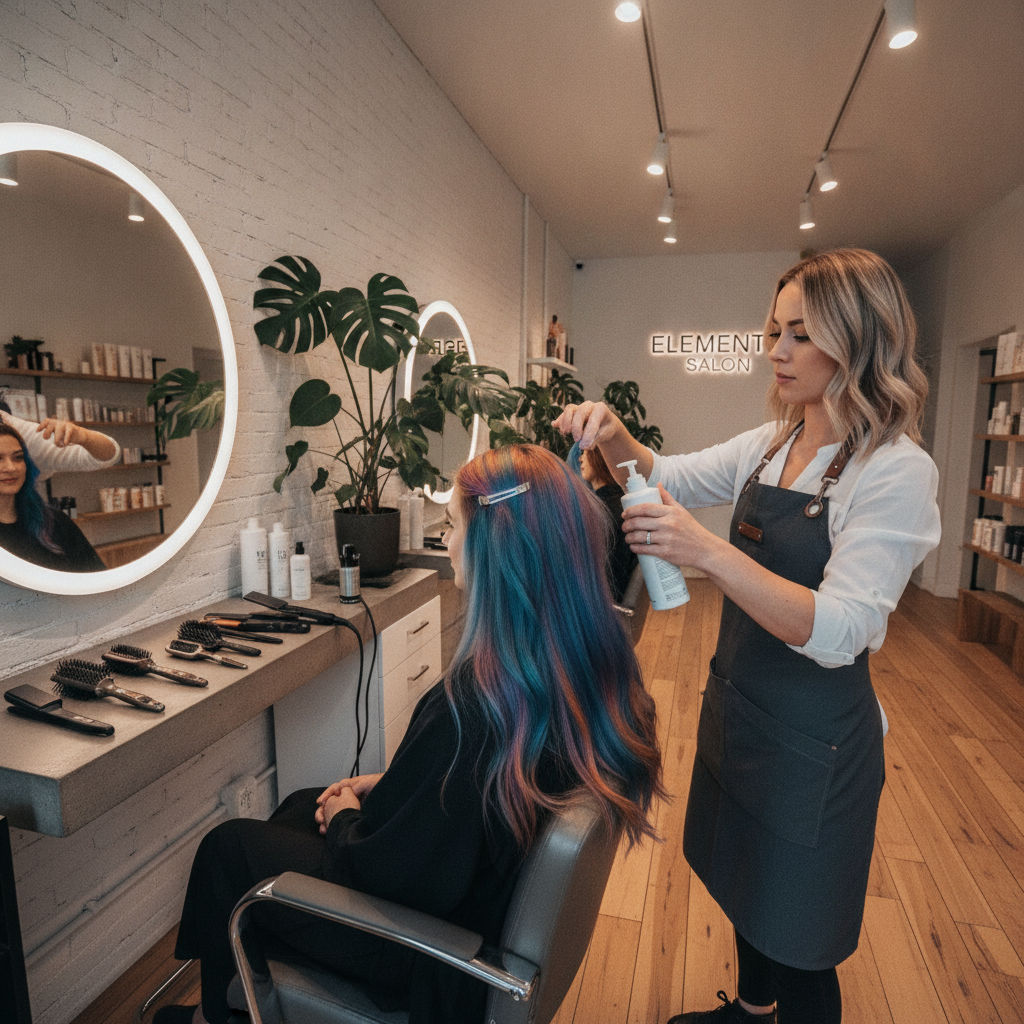
Hair color is chemistry, and every chemical service asks something of the strand. Lightening, toning, and even a simple gloss change the internal structure of the hair, which is why two people can get the same shade and walk out with completely different levels of shine, bounce, and softness. In recent years, New York hair color specialists have started treating hair strength as part of the color service itself rather than an optional extra. The star of that shift is the bond-building treatment, a category of products designed to support the internal links that give hair its elasticity and tensile strength.
If you have ever wondered why your highlights felt gummy when wet, why your ends snapped after a lightening appointment, or why some colorists seem to talk about hair health more than shade, this guide is for you. We will walk through what bonds are, how color damages them, what stylists actually do with these treatments, how to spot a quality application, and how to keep the benefits going at home. Whether you are a busy professional, a small business owner who needs polished hair on a tight schedule, or simply curious about the science behind a better salon visit, you will come away with practical, plain-language answers. No hype, no miracle promises, just a clear look at why this approach has become a staple behind the chair.
What Bonds Actually Do Inside a Strand
Every strand of hair is held together by a network of chemical bonds. Disulfide bonds are the strong, structural links that give hair its shape and resilience. Hydrogen bonds are weaker and temporary, which is why your hair changes when it gets wet and then dries again. Salt bonds also play a role, responding to the pH of the products you use. Together, these links work like internal scaffolding, keeping the cortex stable and allowing hair to stretch without breaking.
When that scaffolding stays intact, hair feels smooth, springy, and strong. When it is compromised, strands may look dull, feel rough, stretch too far when wet, or break during brushing. Many New York NY hair color specialists explain it to clients with a simple image: think of a rope made of tightly twisted fibers. Cut a few of those fibers and the rope still holds for a while, but it frays faster under pressure. Bond-focused services aim to protect or reinforce those fibers so the rope keeps its strength through the color process.
How Color Services Stress the Hair
Not every color service stresses hair equally, and understanding the difference helps you choose wisely. Lightening is the most demanding. To create a lighter shade, the formula has to open the cuticle and dissolve natural pigment inside the cortex, and that process also interacts with the disulfide bonds. The more lift you ask for, the more the structure is challenged. Permanent dark color, by comparison, deposits pigment but still relies on an alkaline environment that lifts the cuticle.
Other everyday habits add to the load. Heat styling, hard water, chlorine, UV exposure, and frequent shampooing all chip away at hair that has already been through a chemical service. A person who lightens their hair, flat irons it daily, and swims regularly is stacking stressors on the same strand. That is why stylists often ask about your routine before recommending a plan. Hair that has been colored several times over the years has a history, and the oldest hair, usually the ends, carries the most wear. Recognizing that history lets a colorist decide whether to lighten fully, use a gentler technique, or add protective steps.
Three Ways Stylists Use Bond-Building Products
Bond-building products are not applied in just one way, and the method matters. Stylists generally work with three approaches, and the right choice depends on the service and the condition of your hair.
- In-color additives: A small amount is mixed into the lightener or color formula so protection starts while the chemical service is working, rather than afterward.
- Post-service treatments: Applied after rinsing the color, these are left on for a set time to help restore strength before conditioning and styling.
- At-home maintenance: Weekly or biweekly masks and leave-in products extend the benefit between salon visits.
Many colorists combine two or all three for clients who lighten frequently. Someone getting a subtle gloss may only need a quick post-service step, while a client going several levels lighter may benefit from protection throughout. The key is that the treatment matches the demand placed on the hair, not a one-size-fits-all add-on.
Why Balayage Clients Ask About Bond Care
Hand-painted lightening is popular precisely because it grows out softly, but it still involves lifting, and many clients want to know how to keep strands strong through repeated visits. A well-planned approach to Professional Balayage in New York, NY often includes a strengthening step because lightened mid-lengths and ends are the most vulnerable parts of the head.
One advantage of painting is control. A stylist can place lightener only where it is needed and avoid overlapping on previously lightened sections, which reduces cumulative stress. Pairing that careful placement with a bond treatment gives you two layers of protection: less chemical exposure and stronger strands during the exposure that remains. Clients with fine hair, previously bleached hair, or hair that tends to break at the shoulders often see the biggest difference, because those textures have less reserve to begin with. If you are planning a dramatic change, ask whether the formula can be adjusted in stages rather than done in one aggressive session.
Reading Your Hair Before the Appointment
A good consultation is part detective work. Before mixing anything, a stylist will look at, touch, and sometimes test your hair to judge how it will respond. They check elasticity by gently stretching a damp strand to see whether it snaps back or stays limp. They feel for rough or gummy patches, look for breakage along the ends, and ask about your history with color, relaxers, smoothing services, and heat tools.
Timing questions matter too. Hair that was lightened a few weeks ago needs different handling than hair that has not been touched in a year. Pay attention to how the stylist talks about your goals. A colorist who says your hair needs a rebuilding phase before a bigger lift is not turning you away, they are protecting the result. Bring photos, be honest about home color you have applied, and mention anything unusual like medication changes or recent illness that might affect texture. Honest information leads to a smarter formula, and a smarter formula leads to color that lasts longer without costing you strength.
Maintenance Schedules That Support Strength
Strong hair is built over time, not in a single appointment. Between visits, small habits keep strands resilient and make each lightening service easier on the hair. Smart scheduling matters just as much as products. Resources like How Often NYC Balayage Really Needs Glosses, Trims, and Toners can help you see how glosses and trims fit into a cycle that protects both tone and structure.
Trims remove the oldest, most fragile ends before they split upward. Glosses refresh tone without the heavy lifting of a full lightening service, which means you can look fresh while giving your hair a rest from stronger chemistry. Spacing out major lightening sessions and filling the gaps with lighter touch-ups is one of the simplest ways to reduce cumulative wear. Think of your hair calendar the way you would think about a car service schedule: regular small check-ins prevent expensive, time-consuming repairs later. Ask your colorist to map a realistic plan for the next several months so you always know what comes next.
Customizing the Service to Your Features
Strength and style work together. Protecting hair is not just about avoiding breakage, it is about keeping the shape of your cut and the placement of your color intact so the result looks intentional. Thoughtful colorists consider how lightness frames the face, where brightness should sit, and which sections need the least manipulation. Reading about Face Shape First: How Tribeca Stylists Customize Balayage Placement for a More Balanced Look shows how placement decisions can also limit unnecessary processing.
When color is placed with purpose rather than applied everywhere, there is simply less chemistry on the hair. Brightness around the face, depth near the nape, and softness through the ends can all be achieved while leaving some sections untouched. That restraint is a quiet form of protection. Combined with a strengthening treatment, it gives you dimension and durability at the same time, and it makes future appointments simpler because the hair is in better shape to begin with.
Quick Comparison of Common Strengthening Options
Not every protective service does the same job. This simple table summarizes how the main options differ so you can ask better questions at your next visit.
| Option | When It Is Used | Best For |
|---|---|---|
| In-color additive | Mixed into lightener or color | Lighter shades and bigger lifts |
| Post-service treatment | After rinsing color | Restoring strength and softness |
| At-home mask | Weekly or biweekly | Maintaining results between visits |
| Leave-in protectant | Daily styling routine | Heat styling and environmental stress |
What a Quality Application Looks Like
Because these products are now widely marketed, quality varies. A careful application is deliberate. The stylist measures the product rather than eyeballing it, applies it evenly from roots to ends where appropriate, and respects the processing time instead of rushing you to the next step. Mixing ratios matter, and so does timing, because too little product may do almost nothing while skipping the recommended wait can limit the effect.
Listen for explanation. A confident colorist can tell you which step they are doing, why it belongs in that order, and what you should expect afterward. Afterward, your hair should feel noticeably smoother when wet, less stretchy, and easier to detangle, though results depend on your starting condition. Be wary of anyone who promises to reverse years of damage in one sitting. Strengthening treatments support hair and reduce the risk of breakage, but they do not replace healthy habits, patient scheduling, or a realistic target shade. Clear communication is the best sign you are in capable hands.
Protecting Color Strength at Home
What you do between appointments can either extend the salon benefits or quietly undo them. Start with the basics. Wash with lukewarm rather than hot water, use a sulfate-free shampoo suited to color, and limit washing frequency when your scalp allows. Apply a strengthening mask on a regular schedule and always use a heat protectant before blow drying or hot tools.
- Detangle gently from the ends upward using a wide-tooth comb.
- Lower your tool temperature and avoid passing over the same section repeatedly.
- Rinse hair before swimming and wear a protective style in chlorinated water.
- Sleep on a smooth pillowcase or tie hair loosely to reduce friction.
None of these steps is dramatic, but together they reduce the daily wear that wears down bonds. Consistency beats intensity, so choose a routine you can actually keep, even when your week gets busy.
Questions Worth Asking Your Colorist
Going into an appointment with a few good questions helps you get more from the visit and sets realistic expectations. You do not need technical vocabulary, just curiosity. Ask whether your hair is a good candidate for the shade you want in one session or whether staging the process would be safer. Ask which strengthening step is being used and at what point in the service it happens.
It is also fair to ask how the plan affects cost and time, since adding protective steps can lengthen an appointment and change the price. Ask how long you should wait before your next lightening service and what at-home products they would pair with your routine. Finally, ask what to watch for between visits, such as unusual dryness or stretching when wet, so you can book a check-in if something seems off. A stylist who welcomes these questions is usually one who takes long-term hair health seriously.
Final Thoughts on Stronger, Better Color
The rise of bond-building treatments reflects a bigger change in how professionals think about color. Instead of treating shade and strength as separate goals, stylists in the city are blending them into a single plan. That means smarter consultations, more careful formulas, thoughtful maintenance schedules, and a stronger focus on what happens after you leave the chair. The best color is not just the one that looks great on day one, it is the one that still looks healthy months later.
If you take one thing from this guide, let it be this: protecting hair is a process, not a product. Understand what your strands have been through, choose services that match your goals, space out your heaviest chemistry, and support your results with simple, consistent habits at home. Ask questions, share your history honestly, and be open to a gradual approach if your hair needs it. When color and care work together, you get softer texture, better shine, and fewer surprises with every appointment. Healthy hair is the foundation that makes every shade look richer, and with the right plan, it is well within reach.