
Balayage for First-Time Color Clients: What Tribeca Salons Offer to Ease the Transition
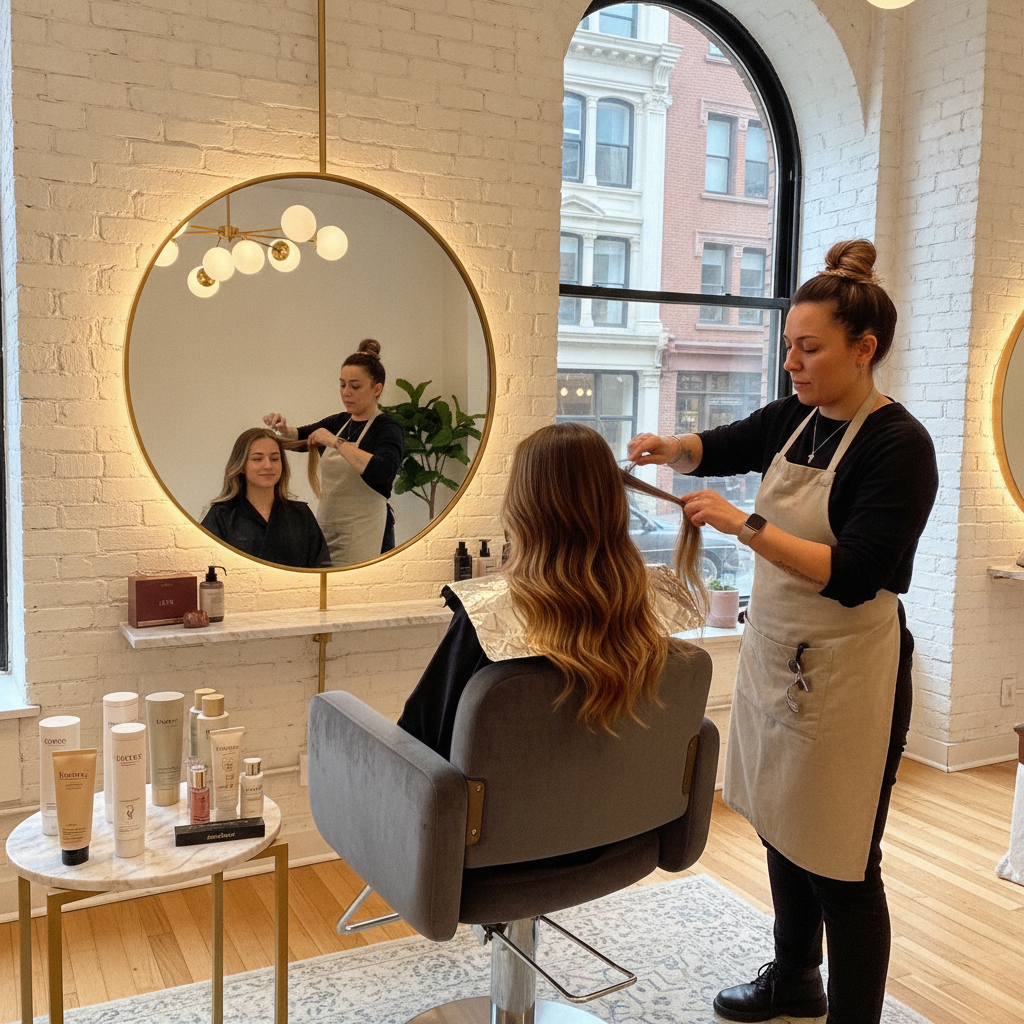
If you have never colored your hair before, the idea of sitting in a salon chair for the first time with foils, brushes, and a stylist asking about “tone” and “level” can feel like a lot. You are not alone. Many people arrive at their first appointment with a screenshot saved on their phone, a few nerves, and a long list of what-ifs. What if it turns out too light? What if my roots look strange in a month? What if I cannot style it the way the stylist does?
The good news is that balayage hair color Tribeca NYC salons offer is one of the most forgiving ways to begin. Because the color is painted by hand, usually starting away from the roots and blending softly through the lengths, it avoids the harsh line of regrowth that makes many people hesitate. There is no dramatic all-over change unless you ask for one. Instead, you build dimension gradually, and you can stop at any point that feels right.
In this guide, we walk through what a first-timer can expect, from the consultation and patch testing to the pace of lightening, aftercare, and the questions worth asking. Think of it as a calm, practical roadmap so you can book with confidence and walk out feeling like yourself, only a little brighter.
Why Balayage Suits People New to Hair Color
Traditional all-over color asks you to commit to a single shade, and it announces its own grow-out within a few weeks. Balayage works differently. The stylist hand-paints lighter pieces onto select sections, keeping most of the shade close to your natural root. That means the transition from your own color to the lightened areas looks soft rather than striped.
For a first-time client, this is a real comfort. You are not signing up for a rigid schedule of root touch-ups every four weeks. You are trying a color technique that tends to look intentional even as it grows out. Many salons that offer balayage hair color services in New York NY start new clients with a conservative plan, adding brightness in stages rather than all at once. That gives you room to see how the color wears, how it reacts to your routine, and whether you want to go brighter next time.
Because the result is customized, two clients with the same inspiration photo can leave with quite different looks. The technique adapts to your haircut, your starting shade, and how much upkeep you honestly want.
The First Consultation: What Actually Happens
A good consultation is a conversation, not a sales pitch. Expect your stylist to look closely at your hair in natural light, ask about its history, and talk through your goals. If you have never colored, say so clearly. That single detail shapes the entire plan, because virgin hair behaves differently from hair that already carries old color.
Stylists typically assess a few key things before mixing anything:
- Your natural level and undertone, which affect how warm or cool the lightened pieces will appear.
- Hair texture, density, and condition, including any heat damage or chemical services you may have forgotten about.
- Your daily routine, such as how often you wash, style, and swim.
- The look you want, ideally shown with two or three reference photos.
Bring photos of what you love and, just as useful, photos of what you do not want. Honest feedback helps the stylist narrow the plan. Salons known for Professional Balayage in New York, NY will also explain realistic outcomes, including whether the shade you want can be reached in one visit or is better approached over two.
Patch Tests, Allergies, and Safety Conversations
Many people skip over this part, but it matters most for someone trying color for the first time. Hair color products can trigger skin reactions in some individuals, and a first-timer has no history to rely on. Reputable salons commonly offer or recommend a skin patch test before a full service, usually placed behind the ear or on the inner arm and checked after a period of time set by the product manufacturer.
Do not be shy about mentioning sensitivities. Tell your stylist about eczema, scalp conditions, fragrance allergies, pregnancy, or medications that might affect your skin or hair. Balayage is often applied without touching the scalp, which can be gentler for sensitive clients, but your stylist still needs the full picture to choose the right approach.
It is also fair to ask what products will be used and how your hair will be protected during lightening. A confident stylist will answer plainly and explain any bond-support or conditioning steps built into the service. If something feels rushed or unexplained, pause and ask. Good salons welcome questions, and a calm pace is a sign of careful work.
Starting Soft: Choosing a Gentle Entry Point
One of the smartest moves for a newcomer is to begin with a subtle shift rather than a dramatic one. Lighter hair is easier to add to than to take away, and a softer first look lets you adjust to seeing yourself differently. Ask your stylist about options like a few face-framing pieces, a gentle lift through the ends, or a single-tone enhancement of your natural color.
If your hair is dark, you do not have to chase blonde. Rich, multi-tonal brunette work can add movement and shine without a heavy lightening commitment. Clients curious about that route can read more about Brunette Balayage in Tribeca: Rich Dimension Without a Full-Lightening Commitment, which shows how much depth can be created while staying close to a natural shade.
Starting soft also gives you useful data. You learn how your hair holds tone, how quickly it fades, and what styling habits you enjoy. Armed with that, your second appointment can be more confident and more precisely tailored.
How Gradual Lightening Protects Your Hair
Lightening works by lifting pigment from the hair strand, and the more lift you ask for, the more stress the hair experiences. For first-time clients, stylists often favor a staged approach. Instead of pushing several levels in a single sitting, they may lift moderately, tone, and then revisit the brightness at a later appointment if you want more.
This patient method has practical benefits. Your hair gets time to recover between sessions, the color you end up with tends to look cleaner, and you avoid surprises like unwanted brassiness or a rough texture. It also keeps expectations realistic, since very dark or previously box-dyed hair may need extra steps to reach a lighter shade evenly.
Ask your stylist how many levels of lift they plan and why. You might hear about glossing to refine tone, bond-building treatments to support the strand, or a deliberate decision to leave certain sections darker for contrast. Understanding the reasoning helps you trust the process and decide whether to continue brightening over time.
A Typical First-Time Appointment, Step by Step
Knowing the flow of the day takes away much of the nervousness. While every salon runs a little differently, most first balayage visits follow a similar rhythm. Plan for a good chunk of time, since hand painting, processing, toning, and styling all take patience.
- Arrival and consultation, where goals, history, and photos are reviewed.
- Sectioning, followed by careful hand painting of lightener onto chosen strands.
- Processing time, during which the lightener develops while your stylist checks progress.
- Rinse, gloss or toner, and a conditioning step to refine tone and soften the hair.
- Cut or trim if planned, then a blowout so you can see the finished movement.
Bring a charged phone or a book, wear a top you can easily button or slip off, and eat beforehand so you are comfortable. Most importantly, speak up during the process. If the lighter pieces seem to be going brighter than you hoped, say so early while adjustments are still easy.
Questions Worth Asking Before You Book
Choosing a salon for a first color service is partly about skill and partly about comfort. A few thoughtful questions can reveal a lot about how a team works and whether they will be a good fit for a beginner.
Consider asking: Do you offer a short consultation before a full appointment? How do you handle first-time color clients? What does a realistic timeline look like for the shade I want? How will you protect my hair’s strength during lightening? What products do you recommend for home care, and what might they cost? Can I see examples of your work on hair similar to mine?
Listen not only to the answers but to the tone. You want someone who explains without jargon, welcomes your opinions, and is willing to say no when a request is not wise for your hair’s condition. A stylist who tells you to wait or to take a gentler route is often protecting you, not limiting you. Reviews, portfolios, and word of mouth from friends can add helpful context.
Budget, Time, and What Affects the Price
Color pricing varies widely from one salon and stylist to the next, so it is wise to ask for a clear estimate rather than guess. Several factors tend to shape the final cost, and understanding them helps you plan without sticker shock.
| Factor | How It Can Affect Your Visit |
|---|---|
| Hair length and thickness | More hair usually means more product and more time. |
| Starting shade and color history | Darker or previously colored hair may need extra steps. |
| Amount of lightening requested | Subtle accents are quicker than a full transformation. |
| Added treatments and toning | Glosses and bond support can add to time and cost. |
| Stylist experience level | Senior stylists often price higher for their expertise. |
Remember to budget for aftercare products and occasional toning visits, not just the first appointment.
Aftercare Basics for Your First Few Weeks
The days after a first color service shape how long it looks fresh. Fortunately, the basics are simple. Wait the recommended amount of time before your first wash, usually a day or two, and use a sulfate-free shampoo to keep tone from fading too quickly. A weekly mask helps replace moisture that lightening can pull from the strand.
Lower the heat on your tools and always use a protectant before blow drying or styling. Rinse with cooler water when you can, and consider a shower filter if you are concerned about mineral buildup. If your highlights start to look warm or yellow, a purple or blue toning product used sparingly can help, but ask your stylist which one suits your shade so you do not overcorrect.
Do not panic if the color looks a touch brighter or warmer in the first week. Hair often settles after a few washes. If something truly feels off, contact the salon promptly. Many offer guidance or a quick adjustment window for new clients.
Setting Up Easy Upkeep From Day One
One reason newcomers gravitate toward this technique is its low-maintenance reputation, but a little planning goes a long way. Because the lightest pieces start away from the root, you can usually stretch time between visits compared with traditional highlights. Your stylist can tell you when a gloss or a light refresh might be worthwhile based on how your hair wears.
Build a simple routine you will actually follow: a gentle shampoo, a conditioner or mask, a heat protectant, and a satin pillowcase if you like. Schedule your next visit before you leave so it does not slip your mind, and keep notes about what you liked and what you would change. Over time, those notes become a handy guide for your stylist.
If you want a deeper look at keeping color polished without constant salon trips, the stylist-written resource on Low-Fuss, Long-Lasting: Balayage Maintenance Tips for Busy New Yorkers offers practical ideas you can adopt right away.
Common First-Timer Worries, Answered Honestly
Almost every newcomer carries the same handful of fears, and most of them are easier to manage than expected. Worried it will look too stripey? Soft blending and toning are designed to prevent exactly that, and a stylist can adjust placement to suit your cut. Afraid of damage? Choosing a gradual plan and using support treatments reduces the risk considerably, though no lightening service is entirely stress-free for hair.
Concerned you will not recognize yourself? Starting with a subtle change keeps the shift manageable, and you can always add more later. Nervous about commitment? Balayage grows out gently, so if you decide it is not for you, there is no harsh line to hide while you transition back toward your natural shade, though removing lightness completely still takes planning.
Finally, many people worry about being judged for knowing so little. Rest assured that stylists meet first-timers constantly. Curiosity and honest questions are welcome, and the best ones take real pleasure in helping someone find a look that feels right.
Your Next Steps
Trying color for the first time does not have to be stressful. With balayage, you get a technique that respects your natural shade, grows out gracefully, and can be scaled up or down to match your comfort level. The most useful things you can do are simple: choose a stylist who listens, be candid about your hair history and sensitivities, and begin with a gentle, achievable goal rather than a dramatic leap.
Bring reference photos, ask about patch testing, and request a clear picture of timing and cost before the service begins. Plan a modest aftercare routine, schedule your follow-up in advance, and note how your hair behaves so each visit builds on the last. If the first result feels subtle, remember that was the point, and brightness can be added in future appointments as your confidence grows.
If you are exploring balayage hair color Tribeca NYC has to offer, take your time comparing portfolios, reading reviews, and booking a consultation where you can talk things through in person. The right salon will make you feel informed, relaxed, and excited rather than rushed. Start soft, stay curious, and enjoy the process of discovering a color that suits you.