
Bridal Hair in Tribeca: How Local Salons Create Camera-Ready Styles That Last All Day
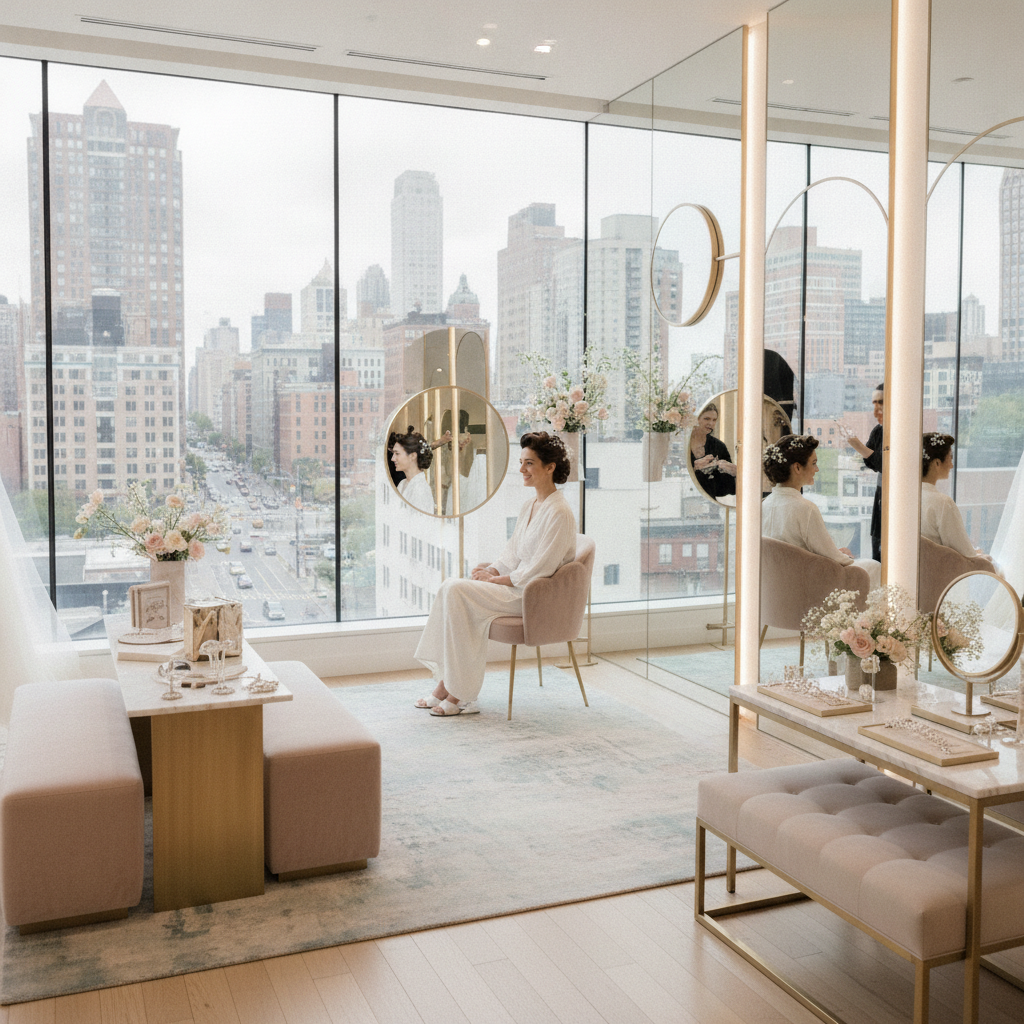
Every bride has the same quiet fear on the morning of the wedding: the hair that looked flawless at 9 a.m. will be limp, frizzy, or half-collapsed by the time the first dance rolls around. In a neighborhood known for loft ceilings, cast-iron architecture, and photographers who chase golden light along cobblestone streets, that fear is even sharper. The camera catches everything, and a long wedding day tests every pin, curl, and braid. That is why choosing the right hair salon Tribeca New York brides trust can shape not just how you look in the ceremony photos, but how you feel for twelve straight hours.
This guide walks through how local stylists plan, prep, and finish bridal hair so it survives humidity, hugs, dancing, and a thousand flashes. You will learn what to bring to a trial, how texture and cut affect your style choices, why prep work matters more than the final spritz, and how to protect your look once the party starts. Whether you are planning an intimate courthouse ceremony or a full loft reception, the principles are the same: start early, communicate clearly, and build a style that works with your hair rather than against it.
Think of this as a practical roadmap rather than a trend report. Instead of chasing a single viral look, we will focus on the decisions that actually determine whether your hair holds up from the first photo to the last song.
Why Bridal Hair Is Different From Everyday Styling
A blowout for a night out needs to look good for a few hours. Bridal hair has to look good for ten to twelve, through emotional hugs, outfit changes, veil adjustments, and the heat of a crowded room. That endurance requirement changes everything about how a stylist builds the look. Products are layered strategically, sections are pinned with a specific order in mind, and the final shape is engineered to relax gracefully instead of falling flat.
Experienced stylists also think in terms of photography. A style that reads beautifully in person can look flat on camera if it lacks dimension, or overworked if it has too much shine in the wrong places. Many of the best hair salon in Tribeca New York options approach bridal appointments as a blend of hair design and event planning, mapping out timelines, accessory placement, and touch-up plans before a single curl is set. If your stylist asks about your venue, your veil, and your photographer’s schedule, that is a very good sign.
The Trial Run: Your Most Important Appointment
Skipping the trial is the single most common regret brides mention afterward. A trial lets you test the style, the timing, and the chemistry with your stylist, and it reveals problems while there is still time to solve them. Book it four to eight weeks before the wedding, and schedule it at roughly the same time of day as the real event so you can see how the style holds up in similar conditions.
Bring everything that will be part of the final look: the veil, comb, headband, or flowers, plus a photo of the neckline of your dress. A style that works beautifully with a strapless gown may clash with a high collar. Take photos from the front, side, and back, and wear the style home to see how it behaves after a few hours. Note what bothers you, such as a pin that digs in or curls that drop too fast, and share that feedback at your next visit. If you are also adding color, this is a smart moment to coordinate. A resource like What Makes a Great NYC Color Consultation: Questions Specialists Ask Before They Mix explains the kinds of questions worth raising before any lightening or toning is planned around a wedding date.
Matching the Style to Your Hair Texture and Density
Fine, straight hair and thick, wavy hair behave very differently under a curling iron, and a good bridal stylist adjusts the whole plan accordingly. Fine hair often needs added grip and volume at the root, while dense hair may need more heat, more sections, and sturdier pins to carry the weight. Curly and coily textures usually look best when the natural pattern is celebrated and defined rather than forced into a sleek shape that will revert by the cocktail hour.
Density matters for updos too. Thin hair can be padded or supported with discreet extensions to create fullness, while very thick hair can be divided into smaller twisted sections for a lighter, more secure hold. Previously colored or lightened hair needs extra care because it can be slippery and more porous. If you are planning dimensional color ahead of the wedding, a look such as Professional Balayage in New York, NY can add depth that photographs beautifully, and it gives your stylist more tonal contrast to work with when pinning and shaping.
Prep Work That Happens Before the Wedding Morning
The most durable bridal styles are built days and weeks in advance. A trim two to three weeks before the wedding removes split ends and gives your hair a clean silhouette, but cutting too close to the date leaves no room for fixing surprises. Deep conditioning treatments in the final month improve elasticity and shine, which helps hair hold a curl without looking brittle.
Color services should wrap up at least a week before the event so any tone adjustments can happen calmly. Keeping that finish looking fresh through the final stretch is easier with a plan, and guides like Balayage Aftercare for City Pollution, Subway Sweat, and Hard Water outline the habits that protect tone and shine in a busy urban environment. In the final days, avoid trying new products, skip heavy silicone-based conditioners that can make hair slippery, and wash your hair the night before or morning of depending on your stylist’s preference. Slightly day-old hair often holds pins and curls better than freshly washed strands.
Choosing Between Updos, Half-Up Styles, and Loose Waves
Each silhouette carries its own strengths. Updos are the classic choice for longevity because everything is secured close to the head, making them ideal for outdoor ceremonies, windy rooftops, and long dance floors. Half-up styles balance structure with softness and work well for brides who want to show off length or a decorative clip. Loose waves feel relaxed and romantic, but they are the hardest to keep intact and usually need the most strategic product work.
Consider your venue and dress when deciding. A cathedral veil often looks best anchored to a low bun or twist, while a delicate tulle veil can float above a half-up style without weighing it down. If you plan to change into a second look for the reception, ask your stylist whether the hair can be transformed quickly, perhaps by removing a veil or releasing a pinned section. Plan for movement, because the best bridal hair does not look stiff when you turn your head or throw your arms around someone you love.
Products and Techniques That Make Styles Last All Day
Longevity comes from layering, not from drowning hair in spray. Stylists typically begin with a light prep product that adds grip and heat protection, then build texture with a dry shampoo or texturizing spray at the roots. Curls are set while hot, pinned to cool, and only brushed out once fully cooled, which locks in the shape. A flexible finishing spray comes last, applied from a distance so it holds without leaving a crunchy cast.
Pins matter more than most people realize. Matching the pin color to your hair keeps them invisible, and using a crisscross placement distributes tension so the style does not sag. For heavy or fine hair, small clear elastics hidden within the style can add hidden support. A few extra bobby pins and a travel-size spray in your day-of kit give your maid of honor everything needed for emergency fixes without calling your stylist back mid-reception.
Veils, Accessories, and Dress Necklines
Accessories can elevate a style or fight against it, so they deserve planning from the start. Heavy combs and crowns need a secure base, which usually means building the hair around them rather than adding them at the end. Fresh flowers require a little extra thought because they wilt, so stylists often insert them last and with small water tubes or wire stems to keep them looking alive through the evening.
The neckline of your gown shapes which hairstyle flatters you. Off-the-shoulder and strapless dresses show off the neck and shoulders, which makes updos and sleek low buns particularly striking. High necklines and collared dresses often pair better with half-up looks or loose waves so the hair does not compete with the fabric. Bring a photo of the dress to your trial, and if a veil will be removed after the ceremony, practice taking it off together so the style is not disturbed.
A Sample Bridal Hair Timeline
Timing is the quiet hero of a stress-free wedding morning. The table below shows a general planning outline that many stylists use when mapping bridal appointments. Adjust the details to your own schedule, hair length, and the size of your bridal party.
| When | What Happens | Why It Matters |
|---|---|---|
| 3 to 4 months before | Book your stylist and discuss color plans | Popular dates fill early |
| 4 to 8 weeks before | Hair trial with veil and accessories | Time to adjust the design |
| 2 to 3 weeks before | Trim and final color touch-up | Clean shape and settled tone |
| Night before | Wash lightly and skip heavy products | Better grip for styling |
| Wedding morning | Style the bride first, then the party | Allows buffer for photos |
Keeping the Look Photo-Ready in Humid or Windy Conditions
Weather is the great wildcard of any wedding. Humidity encourages frizz and softens curls, while wind can pull loose pieces free and tangle a veil. Stylists counter this with humidity-resistant primers, smoothing serums on the outer layer, and a style architecture that anchors the structure close to the scalp.
If you are marrying outdoors, ask your stylist to build in extra security around the crown and nape, where hair tends to loosen first. A small veil clip with a hidden comb adds stability, and tying the veil to the hair lightly rather than pinning it tightly lets it move without pulling. Keep a compact umbrella or wrap handy for the walk between locations, because a sudden shower can undo a style faster than almost anything else.
Hair for the Bridal Party and Family
A cohesive wedding party feels more polished in photos, but that does not mean everyone needs identical hair. Many couples choose a shared theme, such as soft waves, sleek ponytails, or low twists, and let each person adapt it to her own texture. This approach keeps the group looking harmonious without forcing a style that will not hold on every head.
Scheduling is where planning pays off. Stylists usually begin with the person who needs the longest appointment and work backward from the photo start time, leaving a buffer for delays. Share the full list of attendees and approximate hair lengths in advance so your stylist can bring the right number of tools and assistants. A mother of the bride with fine, color-treated hair may need a gentler approach than a bridesmaid with thick waves, and a thoughtful stylist will adjust techniques for every client in the chair.
Day-Of Touch-Ups and the Emergency Kit
Even the best-built style benefits from a quick refresh before the reception. Assign one trusted person to carry a small kit, and walk her through where the pins are placed so she can tuck stray pieces back in without disturbing the structure. A compact kit should include matching bobby pins, a travel-size flexible hold spray, a small comb, clear elastics, and blotting papers for oil near the hairline.
Avoid the temptation to over-spray or reshape the whole style in a bathroom mirror. Small, targeted fixes work best: a pin here, a smoothed flyaway there. If you changed outfits or removed a veil, give the hair a gentle shake and let it settle before adjusting. Your stylist can also leave you with a short written note describing the order of pins and the products used, which is handy if anyone needs to repair the look later in the evening.
Final Thoughts
Great bridal hair is not an accident. It is the result of early planning, honest communication, and a stylist who understands how a style will behave from the first photograph to the final song. Start with a trial, bring every accessory that will touch your hair, and be candid about what you love and what feels uncomfortable. Prep your hair in the weeks leading up to the event with a well-timed trim, careful color planning, and simple conditioning habits, and choose a silhouette that suits your texture, your gown, and the conditions of your venue.
On the day itself, trust the process. Build in time buffers, assign someone to carry your touch-up kit, and let go of the idea that every strand must stay frozen in place. The most memorable bridal looks have a little life in them, a softness that moves when you laugh or dance. When you choose a salon that treats your wedding as a carefully planned project rather than a quick appointment, you gain more than a hairstyle. You gain confidence, calm mornings, and photos that look just as good years from now as they did the night you took them. Book early, ask questions, and enjoy every minute of the day your hair was designed to last through.