
How Often NYC Balayage Really Needs Glosses, Trims, and Toners
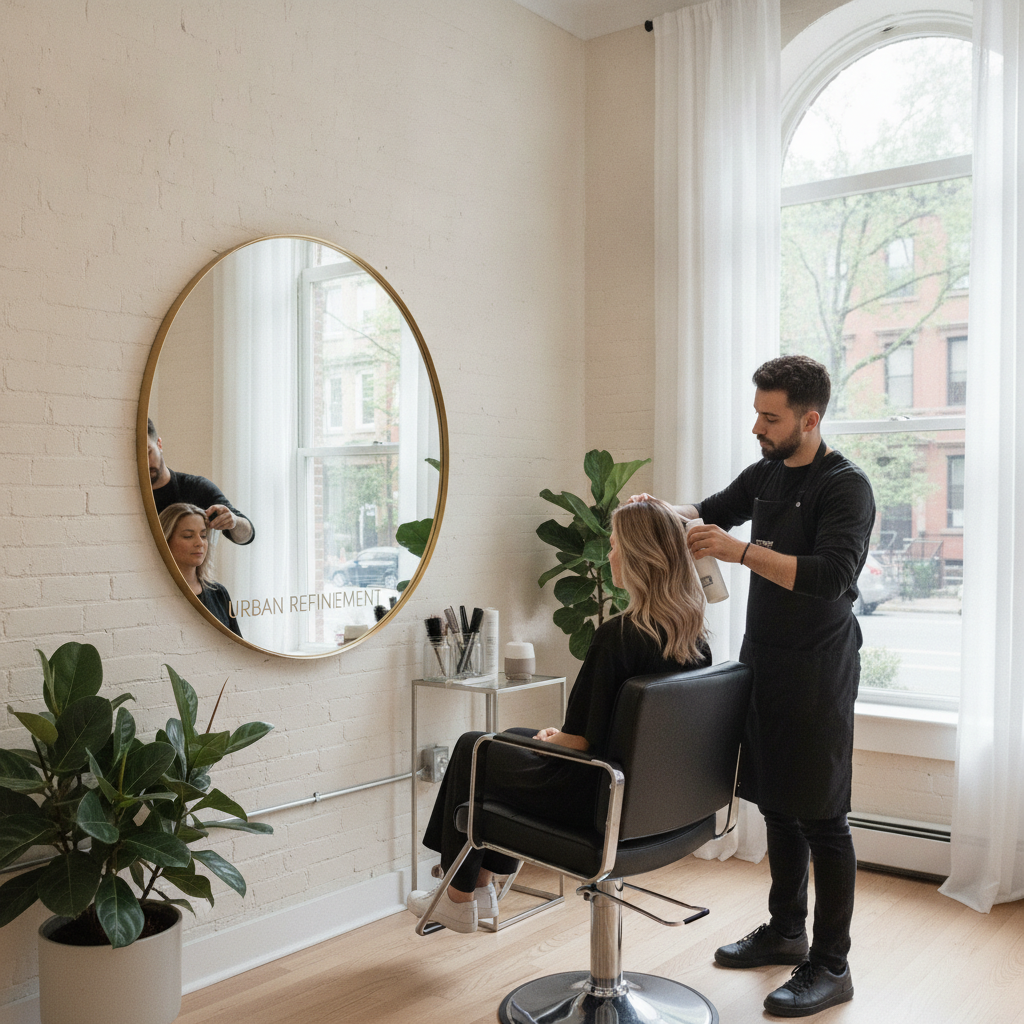
Balayage is sold as the low-maintenance color, and in many ways it is. There are no harsh regrowth lines, no emergency root appointments every four weeks, and the grow-out looks intentional instead of messy. But low maintenance does not mean no maintenance. Three small services quietly decide whether your color looks fresh and expensive or flat and tired: the gloss, the trim, and the toner. Most people either overbook them out of anxiety or ignore them until the hair looks brassy and frayed.
If you are looking for balayage maintenance tips for NYC hair, the first thing to understand is that the city itself is part of the equation. Hard water, humidity swings, subway commutes, winter radiators, and summer sun on a rooftop all push your color in different directions. A schedule that works for someone in a mild, soft-water climate may not work here.
This guide breaks down what each service actually does, how often most people genuinely need it, and how to tell the difference between a real need and an upsell. You will also find a simple reference table, a few warning signs to watch for, and a realistic way to plan your year without turning color care into a second job. Think of it as a calm, practical map for keeping your highlights soft, dimensional, and healthy between big appointments.
What Each Maintenance Service Actually Does
It helps to separate the three services, because people often use the words interchangeably. A toner is a color-correcting step. It deposits sheer pigment to neutralize unwanted warmth, like the yellow or orange that appears as lightened strands fade. A gloss is a related but slightly different service. It is a semi-permanent treatment that adds shine, richness, and tone while smoothing the surface of the strand. A trim is purely structural, removing split, thinned, or damaged ends so the hair can hold its shape.
Each one solves a different problem. Toning fixes color shifts, glossing fixes dullness, and trimming fixes texture and shape. Skipping one will not be rescued by another. A fresh toner on fried ends still looks rough, and a perfect trim on brassy lengths still looks tired. For readers who want a broader overview of balayage care, the key idea is that these three services work as a team, and the right rhythm depends on your hair, not on a universal calendar.
How Often Glosses Make Sense
Because a gloss is semi-permanent, it fades gradually with every wash. For many people with balayage, a gloss every six to ten weeks keeps the shine and tone looking polished. If you wash daily, swim often, or use clarifying shampoos, you may notice the effect softening closer to the six-week mark. If you wash twice a week and use color-safe products, you can often stretch it further.
The real test is visual, not calendar-based. Look at your hair in natural light by a window. If it looks flat even when it is clean, if the color seems muted instead of dimensional, or if it no longer catches light the way it did right after your appointment, a gloss is probably due. Many stylists also pair a gloss with a regular haircut, since the two services complement each other and save a trip.
Be wary of any plan that insists on a gloss every four weeks for everyone. Overglossing is rarely harmful, but it is often unnecessary. A good stylist will adjust the frequency to your wash habits, your starting shade, and how much lift your balayage has.
Reading the Signs That Toner Is Needed
Toner has one main job, and that is controlling warmth. When lightened hair starts to pull yellow, orange, or a coppery tone, the toner has faded or oxidized. This tends to show up first on the brightest, most lightened pieces around the face and through the mid-lengths, because those strands have the least natural pigment holding them steady.
Most people refresh toner roughly every eight to twelve weeks, though cooler blondes and ash tones tend to shift sooner than warm honey or caramel shades. Warm tones are more forgiving because a little golden drift still looks intentional. If you are curious about how timing fits your overall schedule, the guide on When It’s Time to Book the Next Balayage Visit: Signs Your Color Needs a Refresh walks through the visual cues in more detail.
One practical tip is to take a photo of your hair in the same spot with the same light right after each appointment. Comparing it to a current photo makes subtle brassiness much easier to spot than staring in a bathroom mirror every morning.
Trim Timing for Healthy, Defined Ends
Lightened hair is more porous than untouched hair, which means the ends tend to fray sooner. A trim every ten to fourteen weeks is a common rhythm for balayage, with shorter intervals for hair that is fragile, heat-styled often, or aiming to hold a precise cut like a bob. Longer, layered hair can often stretch toward sixteen weeks if the ends stay smooth.
The reason trims matter so much for color is that damaged ends reflect light poorly. Even a perfectly toned blonde can look dull if the last two inches are rough and see-through. Trimming restores that light-catching surface and keeps the lightest parts of your balayage looking dense instead of wispy.
Ask for a dusting rather than a major chop if you are growing length. A small, regular trim removes the worst of the damage without costing you much visible inches. Many people find that regular small trims actually help them grow longer hair over time, since the splits never travel far up the strand.
A Quick Reference Table for Maintenance Timing
The numbers below are general ranges, not rules. Your own rhythm will depend on how you wash, style, and live. Use the table as a starting point for a conversation with your stylist rather than a fixed prescription.
| Service | Typical Range | Main Goal |
|---|---|---|
| Gloss | 6 to 10 weeks | Shine, richness, tone support |
| Toner | 8 to 12 weeks | Neutralizing brass and warmth |
| Trim | 10 to 14 weeks | Removing split, thinned ends |
| Full balayage refresh | 3 to 6 months | Rebuilding lightness and dimension |
How City Living Shapes Your Schedule
Where you live changes how fast your color fades. In New York, hard water leaves mineral deposits that dull shine and can add a subtle brassy cast. Winter radiators dry hair out, while summer humidity and sun exposure speed up fading. Long commutes also mean more exposure to wind, pollution, and temperature swings between the street and the train platform.
A shower filter is one of the simplest upgrades residents can make, since it reduces mineral buildup that works against toner. A periodic clarifying wash, followed by a hydrating mask, helps reset hair before a gloss so the service lasts longer. If you split time between a sunny rooftop and a dry apartment, plan your glosses slightly closer together in the warmer months.
None of this means you need to book constantly. It simply means that a generic six-month calendar may be too loose for hair living in a busy, mineral-heavy, weather-swinging environment. Adjusting by a few weeks in either direction usually makes a visible difference.
When a Gloss Is Not Enough
Glosses and toners can only adjust color on the surface. If your balayage has grown out significantly, or if the lightened sections have lost their brightness, no amount of toning will rebuild lift. That is when it is time to consider a more complete service. Understanding the difference helps you avoid paying for a gloss that cannot deliver what you want.
If you are deciding between a smaller touch-up and a bigger service, Root Touch-Up vs. Full Refresh: Choosing the Right Color Service in Manhattan explains how to match the service to what your hair is actually showing. As a rule of thumb, a gloss improves tone and shine, a touch-up softens regrowth, and a full refresh restores brightness and dimension.
A good consultation should include honest guidance about which category you fall into. If someone recommends a gloss when your color needs real lightening, ask what the gloss is expected to change and what it will not.
Choosing a Stylist Who Plans Long Term
The best maintenance schedule comes from a stylist who knows your hair history. Consistency matters, because a colorist who has seen your results over several appointments can predict how quickly your tone shifts and which formulas hold on your strands. That makes toning more precise and reduces guesswork.
For anyone looking for Professional Balayage in New York, NY, a good sign is a stylist who talks about the next three appointments, not just today’s. They should explain what to expect in six weeks, how the color will fade, and when to return for a gloss or trim.
Questions worth asking include how the stylist adjusts formulas for fading, whether they recommend at-home toning products, and how they plan the grow-out. A thoughtful answer signals that you are being guided toward the smallest effective service, not the largest possible bill.
Spotting an Unnecessary Upsell
Not every recommendation is a real need. A few red flags are worth knowing. A gloss recommended every few weeks with no visible dullness, a trim suggested when your ends are healthy and your style is holding, or a toner added to hair that has no brassiness can all signal an upsell rather than a genuine requirement.
The simplest defense is to ask what specific problem the service solves. If the answer is vague, such as keeping things fresh, press for details. A genuine need can be described in concrete terms: the tone has shifted warm, the ends are splitting, or the shine has faded.
You can also ask to see the difference. Many stylists will hold a strand up against your fresh color so you can compare. If you cannot see a real change, you probably do not need the service yet. Trust your eyes, take your photos, and let visible results guide your decisions instead of anxiety.
Simple At-Home Habits That Stretch Results
What you do between appointments decides how long each service lasts. Washing less often, using lukewarm water, and choosing sulfate-free shampoo all slow fading. A purple or blue toning shampoo, used sparingly, can hold off brassiness, though overuse can leave hair dull or slightly dingy, so once a week is usually enough.
Heat protection matters just as much. Flat irons and curling irons dry out lightened strands and dull toner quickly. A heat protectant and a lower temperature setting preserve both shine and color. A weekly hydrating mask keeps the surface smooth, which helps glosses look better for longer.
- Rinse with cooler water at the end of every wash.
- Use a shower filter if your water leaves buildup.
- Apply a leave-in conditioner to mid-lengths and ends.
- Protect hair from direct sun with a hat or UV spray.
Building a Realistic Year-Round Plan
A practical annual rhythm might look like this: a major balayage service once or twice a year, a gloss and trim combined every eight to ten weeks, and a toner added only when brassiness appears. That keeps the number of visits manageable while still protecting tone and ends. Combining services into one appointment saves both time and travel.
Plan around your life, not just your hair. If you have a big event, a vacation, or a busy season at work, schedule a gloss and trim a week or two beforehand so the color looks its best. In the sunniest months, consider adding one extra gloss. In winter, focus on moisture and trims to counter dryness.
Write the plan down or set calendar reminders so you are not guessing. A clear schedule reduces the urge to book out of worry and keeps you from waiting until the color looks unmistakably faded. Small, well-timed visits are almost always gentler on both your hair and your budget.
Final Thoughts
Balayage earns its reputation for easy upkeep, but the best results come from understanding the small services that support it. Glosses restore shine and richness, toners control unwanted warmth, and trims keep the ends healthy enough to reflect light. Each one works on a different problem, and each has its own natural rhythm. For most people, that rhythm falls somewhere between six and fourteen weeks, adjusted for wash habits, water quality, heat styling, and how cool or warm the chosen shade is.
The most valuable habit is simply paying attention. Compare photos, look at your hair in natural light, and notice when tone, shine, or texture starts to slip. Let visible changes guide your bookings instead of a rigid calendar or a pushy recommendation. Ask what each service will actually change, and choose the smallest effective option.
Pair those habits with a stylist who plans beyond the current visit, a few smart at-home routines, and a realistic yearly plan, and your color will stay soft, dimensional, and healthy without taking over your schedule. That is the real promise of a good balayage: color that looks effortless because the upkeep behind it was thoughtful, steady, and perfectly timed.
Pingback: Formaldehyde-Free Keratin in NYC: What Safety-Conscious Clients Should Know – Tribeca Hair Studio NYC
Pingback: Why New York Stylists Are Using Bond-Building Treatments to Protect Colored Hair – Tribeca Hair Studio NYC