
Tribeca’s Best Hair Color Options for Low-Commitment Clients Who Want High Impact
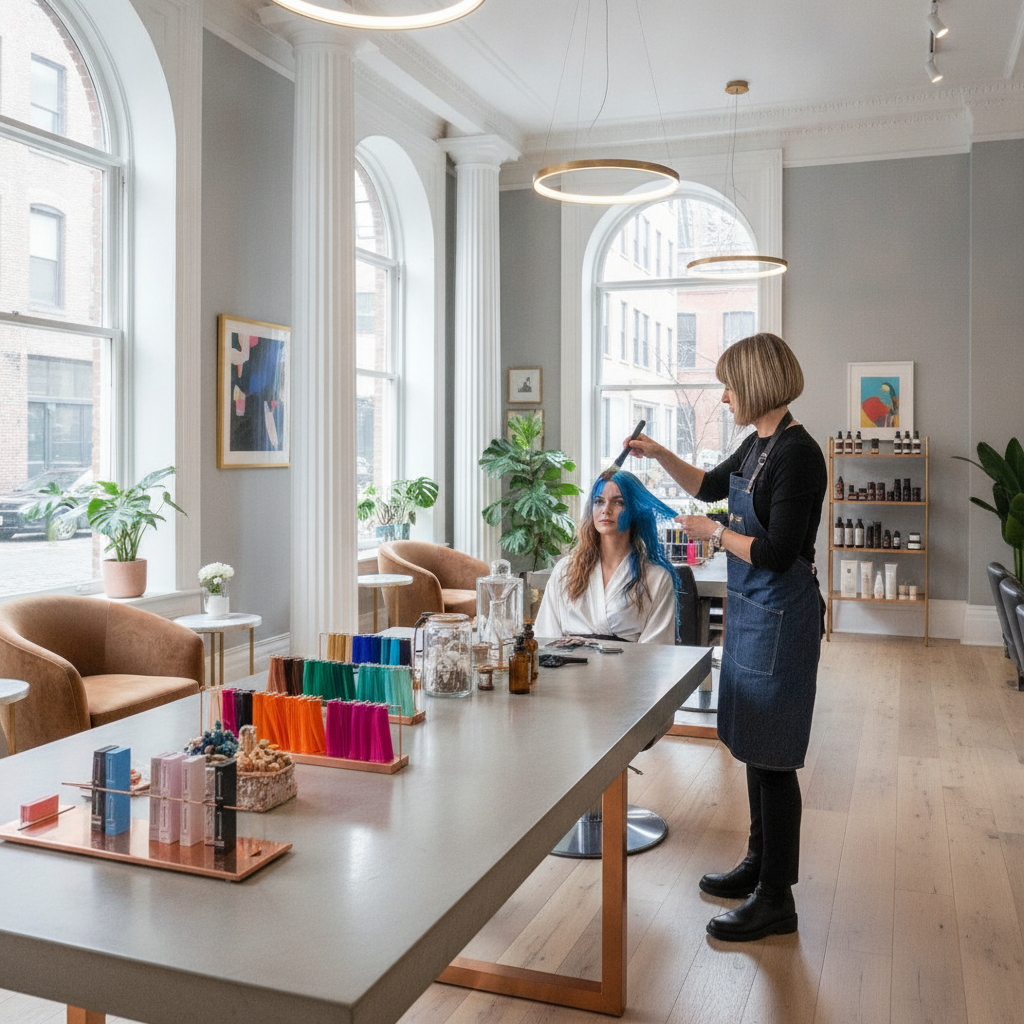
Not everyone wants a color routine that runs their calendar. Maybe you have a packed workweek, a young family, or simply a lifelong habit of skipping appointments until the last possible minute. You still want your hair to look intentional, dimensional, and a little bit expensive. The good news is that hair coloring in Tribeca has evolved well beyond the old model of all-over color and monthly root touch-ups. Today, the smartest services are built around a simple idea: put the color where it makes the biggest visual difference, and let the rest grow out gracefully.
This guide is written for people who want high impact with low commitment. Whether you run a small business, work in tech, or just prefer spending your Saturdays anywhere but a salon chair, you will find practical options here. We will walk through which techniques grow out softly, how to talk to a colorist about your schedule, what to expect at each commitment level, and how to keep results looking fresh with minimal effort. We will also compare the main options side by side, so you can match a service to your real life instead of an idealized one. By the end, you should be able to book with confidence and walk out with color that works as hard as you do, without demanding constant attention in return.
What Low-Commitment Color Really Means
Low commitment does not mean low quality. It means the color is designed to age well. Instead of a harsh regrowth line that screams for a touch-up every four weeks, a smart service blends your natural base into the lighter or richer tones so the transition is nearly invisible. That is the core principle behind most low-maintenance hair color options, and it is why they have become so popular with clients who value their time.
Three factors define a truly low-commitment service. First, a soft or shadowed root so regrowth blends instead of banding. Second, placement that follows how your hair naturally falls, so movement does the work. Third, a tone that sits close to your natural undertone, which keeps fading from looking brassy or muddy. When these three elements line up, you can often stretch appointments to every three or four months. The trick is being upfront with your colorist about how often you realistically plan to come in, because the formula and technique should be built around that honest number.
Why Hand-Painted Color Is the Go-To for Easy Grow-Out
If you only remember one technique from this article, make it hand-painted color. Because the lightener is applied freehand and kept away from the root, there is no uniform line of demarcation. As your hair grows, the shift from natural base to lighter ends simply looks like a gradient you chose on purpose. This is why Professional Balayage in New York, NY remains one of the most requested services among clients who dislike frequent upkeep.
The technique is also surprisingly customizable. A colorist can keep the effect barely there, just a few face-framing pieces that catch the light, or build more contrast through the mid-lengths and ends. You can choose warm honey, cool beige, soft caramel, or a neutral blend depending on your skin tone and wardrobe. Because the placement is individualized, two clients can both ask for balayage and walk out with entirely different looks. That flexibility makes it a smart first step if you are curious about color but nervous about committing to something that demands constant attention.
Richer Brunettes Without the Full-Lightening Commitment
Plenty of people assume that dimension requires going blonde. It does not. If your base is dark or medium brown, you can add depth, shine, and warmth with a much gentler approach than full lightening. Subtle ribbons of caramel, mocha, or chestnut woven through the lengths give brunette hair the kind of movement that photographs beautifully without sending you into a bleach-heavy maintenance cycle.
For a deeper look at how this works in practice, the guide on Brunette Balayage in Tribeca: Rich Dimension Without a Full-Lightening Commitment explains how colorists keep brunette color looking lived-in rather than striped. The major advantage here is that your natural root stays natural. There is no stark contrast to chase every month, and the color you do add tends to fade into warmer, softer tones rather than turning harsh. For busy clients, this is arguably the most forgiving route to a noticeable upgrade, because the gap between appointments can stretch comfortably while the hair still looks polished and deliberate.
Glosses, Toners, and Smart Upkeep Timing
Here is something many first-time color clients do not realize: a low-commitment service still benefits from a light touch of maintenance. The difference is that the maintenance is quick, inexpensive, and rarely involves lightener at all. A gloss refreshes tone and adds shine in a short appointment, and it can make faded color look brand new. If you want a realistic roadmap, read How Often NYC Balayage Really Needs Glosses, Trims, and Toners before you set your expectations.
The practical takeaway is that you can separate big appointments from small ones. A major color session might happen two or three times a year, while a fast gloss or trim fills the gaps when you notice dullness or brassiness creeping in. Think of it like the difference between a full car service and a quick top-up. Scheduling these small visits ahead of time, rather than waiting until the color looks tired, keeps the overall look sharp while preserving the low-effort lifestyle you were after in the first place.
Root Shadowing and Smudging for Softer Regrowth
Root work is the quiet hero of low-commitment color. A root shadow, sometimes called a smudge, is a soft blend of tone applied at the scalp that bridges your natural color and the lighter pieces below. Done well, it erases the hard line that normally makes regrowth look unplanned. Clients who adopt this approach often discover they can go months without a visible need for a touch-up.
The effect works because the eye reads the gradual transition as intentional depth rather than grown-out color. It also makes the overall style look richer, since the darker root anchors the brighter lengths. If you have been burned by past color that left a stripe at the part within weeks, ask specifically for a diffused root. It is a small technical request that makes a large difference in how forgiving your color feels week to week, especially if you wear your hair parted in different places or tied up for long stretches of the day.
Face-Framing Pieces: Maximum Impact, Minimum Hair
If a full color service feels like too much, consider starting with just the pieces around your face. Brightening or warming a handful of strands near the hairline lifts your complexion, adds light where it matters most, and takes a fraction of the time of a full head service. It is also the lowest-risk way to test a new shade before committing to more.
These pieces are especially useful for people who spend a lot of time on video calls or in front of a camera, since the brightness frames the face in a way that reads as polished immediately. Because only a small amount of hair is lightened, the upkeep demands are minimal, and the grow-out is easy to hide. Many clients keep this as their ongoing routine, adding more dimension only when they feel like a change. It is a flexible starting point that can scale up or down depending on your mood and your schedule.
Comparing Your Options at a Glance
Choosing between services is easier when you can see the trade-offs side by side. The table below summarizes how common low-commitment approaches compare on upkeep, visual impact, and how they grow out. Timelines are general guidelines, and your own hair type, starting color, and goals will shift them.
| Service | Typical Refresh Window | Visual Impact | Grow-Out Look |
|---|---|---|---|
| Hand-painted balayage | 3 to 4 months | High | Soft gradient |
| Brunette dimension | 4 to 5 months | Medium | Nearly invisible |
| Face-framing pieces | 4 to 6 months | Subtle to medium | Very easy to hide |
| Gloss only | 6 to 8 weeks | Shine and tone | No regrowth line |
Choosing a Shade That Ages Gracefully
The shade you choose has as much influence on upkeep as the technique does. Colors that sit within a shade or two of your natural level tend to fade more kindly, because there is less contrast to expose as the tone shifts. Dramatic jumps look stunning on day one but demand more frequent correction to stay that way.
Undertone matters just as much as depth. Warm skin tones often glow with golden, honeyed, or copper-leaning shades, while cooler complexions tend to flatter beige, ash-leaning, or neutral blends. A thoughtful colorist will look at your skin, your eye color, and even the clothes you wear most often before suggesting a palette. If you are unsure, ask to see a few tone references and choose the one that feels closest to something you could have been born with. That natural-looking starting point is the secret to color that never looks overdue.
Conversations to Have With Your Colorist
A great low-commitment result begins with an honest consultation. Tell your colorist how often you realistically plan to visit, even if that number feels embarrassing. A skilled professional would rather design around your real habits than build a formula that quietly falls apart when you miss an appointment. Bring photos of both the look you love and the looks you want to avoid, since the second set is often more revealing.
- Share your ideal gap between appointments.
- Mention any past color that grew out badly and why.
- Ask how the style will look at the three-month mark.
- Discuss your daily styling routine and heat habits.
- Request a clear plan for which small visits keep it fresh.
These questions turn a vague wish for easy color into a concrete plan, and they help the stylist deliver exactly what your lifestyle can support.
Simple At-Home Habits That Protect Your Investment
You do not need an elaborate routine to keep color looking good. A handful of easy habits does most of the work. Wash less often when you can, use lukewarm rather than hot water, and choose a gentle, color-safe shampoo. A weekly mask restores moisture, and a heat protectant before blow-drying or styling shields the lengths from unnecessary wear.
If you notice warmth creeping into lighter pieces, a purple or blue toning treatment used sparingly can neutralize it between salon visits. Just resist the urge to overdo it, since too much toner can leave hair looking dull or tinted. Keep a single reliable routine instead of a shelf full of products, and your color will reward you with longer-lasting brightness. The goal is consistency, not complexity, and a few smart choices repeated week after week outperform an elaborate regimen you abandon after a month.
Matching the Service to Your Real Lifestyle
The best color is the one you will actually maintain. If you travel constantly, a longer-wearing, softly blended service makes more sense than something that needs frequent glossing. If you work from home and enjoy a bit of ritual, you might happily schedule quick tone refreshes between larger sessions. Small business owners often fall somewhere in the middle, preferring two or three predictable visits a year that they can plan around slower seasons.
Think about your budget the same way. A service with a higher upfront cost but a longer lifespan can be more economical than a cheaper option that needs constant correction. Be candid with yourself about time, money, and patience, then choose accordingly. When your color fits the way you actually live, it stops feeling like a chore and starts feeling like a quiet confidence boost you barely have to think about.
Your Next Steps
High-impact color does not have to come with a high-maintenance calendar. The most effective approaches, from hand-painted dimension to soft root blends and subtle face-framing pieces, are all designed to grow out gracefully and forgive missed appointments. The real secret is matching the technique to your actual habits, choosing a shade close to your natural tone, and pairing big services with small, quick refreshes when needed.
If you are ready to explore hair coloring in Tribeca, start by deciding how much upkeep you can honestly commit to, then bring that number into your consultation. Share your inspiration photos, talk through your routine, and ask how the look will evolve over the next three to four months. A thoughtful colorist will build a plan around your answers rather than pushing a one-size-fits-all formula.
Once your color is in place, keep your aftercare simple. Gentle products, cooler water, a protectant before heat, and an occasional gloss are usually enough to preserve shine and tone. The point is not to chase perfection but to enjoy hair that looks effortlessly good with very little fuss. Pick the option that fits your life, book the appointment, and let your color do the heavy lifting from here.