
Gloss, Glaze, and Root Smudge: The Low-Commitment Color Services Tribeca Clients Are Booking More Often
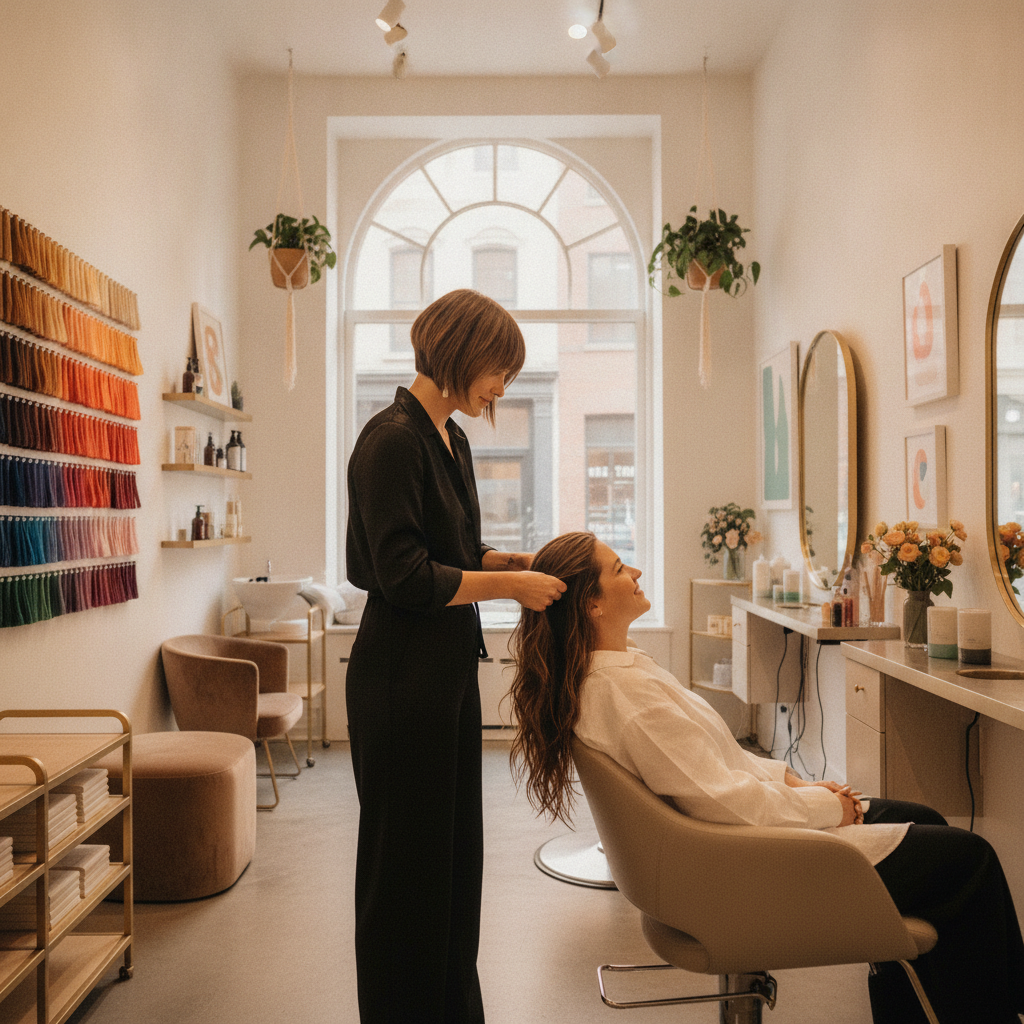
Not every color appointment has to be a five-hour commitment. Some of the most satisfying visits are the short ones: a gloss that wakes up dull tone, a glaze that adds shine without changing your shade, or a root smudge that softens the line between your natural color and what came before. Clients who book at a hair salon Tribeca New York locals trust are increasingly asking for exactly these quick, flexible services, and the reasons are easy to understand.
Busy schedules, a desire for healthier hair, and a general shift toward softer, lived-in color have all pushed people away from the all-or-nothing approach. Instead of overhauling your look every few months, you can make small, strategic moves that keep hair looking polished with far less time in the chair and far less strain on your strands.
In this guide, we break down what each low-commitment service actually does, who it suits, how long it tends to last, and how to decide between them. We also cover how to talk to your stylist, what to expect during the appointment, and how to stretch your results at home. Whether you are a first-timer curious about gloss or a longtime color client looking to cut back on maintenance, this walkthrough will help you book with confidence and leave with hair that looks effortless.
Why Low-Commitment Color Is Having a Moment
The appeal starts with time. A full highlighting session can take most of an afternoon, while a gloss or glaze often wraps up in a fraction of that. For people juggling work, family, and a packed calendar, that difference matters. A shorter visit is simply easier to say yes to, and easier to rebook.
There is also a mindset shift. Many clients no longer want hair that announces itself as freshly colored. They want dimension that looks natural and grows out gracefully. Low-commitment services deliver that look because they work with your existing color rather than starting from scratch. If you are exploring options at a hair salon Tribeca New York clients rely on, the conversation increasingly begins with how little you can do to get the result you want, not how much. That approach protects hair health, saves money over time, and keeps your look flexible when your tastes or lifestyle change.
What a Gloss Actually Does for Your Hair
A gloss is a semi-transparent color treatment that sits on the surface of the hair and works mainly to adjust tone and boost shine. Think of it as a finishing layer. If your brunette has turned slightly flat, or your blonde has drifted toward yellow or brassy, a gloss can nudge it back to the shade you intended without lifting or damaging the hair.
Because glosses are typically gentle, they suit a wide range of hair types, including hair that has been lightened before. They can also add a pleasant slickness to the cuticle, which is why hair often feels smoother afterward. Results are subtle by design. You will notice richer tone and brighter light reflection rather than a dramatic transformation. Clients often describe the effect as hair that looks healthier and more expensive, even though the underlying color has barely changed. For anyone who loves their current shade but wants it to look fresh, a gloss is one of the simplest upgrades available.
Glaze Versus Gloss: Understanding the Difference
These two words get used interchangeably, and in many salons the lines blur. In general, a gloss is more focused on tone correction and color depth, while a glaze leans toward shine and a sheer wash of pigment. Your stylist may use either term for a similar service, so the most helpful move is to describe your goal rather than rely on the label.
If you want to cancel unwanted warmth or deepen a shade slightly, ask about a gloss. If your main concern is dullness and you want that glassy, light-catching finish, a glaze may be the better fit. Clients with dimensional color, such as Professional Balayage in New York, NY, often use a toning gloss between lightening sessions to keep the blend looking intentional. Either option adds polish without committing you to a full color change, which makes them ideal when you are unsure how bold you want to go.
Root Smudge: The Soft Answer to Visible Regrowth
A root smudge, sometimes called a shadow root, blends the area near your scalp into the lighter lengths below. Instead of a sharp line where your natural color meets highlighted hair, the stylist applies a color close to your natural tone and feathers it downward. The result is a gradual, seamless transition.
The real benefit shows up weeks later. Because the root is softened from the start, new growth blends in rather than announcing itself. That means you can stretch the time between major appointments. Many people pair a smudge with a gloss to refine both depth and tone in one visit. If you have been watching your calendar and wondering whether your hair is due, our guide on When It’s Time to Book the Next Balayage Visit: Signs Your Color Needs a Refresh can help you judge the right moment. A smudge is often the quiet fix that lets you wait a little longer without sacrificing how your hair looks.
How These Services Compare at a Glance
Seeing the options side by side makes the choice clearer. The table below summarizes typical differences. Exact timing and longevity vary by hair type, starting color, and how you care for your hair, so treat these as general guidelines rather than promises.
| Service | Main Goal | Typical Visit Length | Best For |
|---|---|---|---|
| Gloss | Adjust tone and add richness | Short | Brassy or flat color |
| Glaze | Boost shine with sheer pigment | Short | Dull, lackluster hair |
| Root Smudge | Soften the regrowth line | Short to moderate | Visible roots on lightened hair |
| Gloss plus Smudge | Refine tone and blend roots | Moderate | Stretching time between big sessions |
Who Benefits Most From a Quick Refresh
Low-commitment services are a strong match for several kinds of clients. People with demanding schedules appreciate the shorter chair time. Those who have previously lightened their hair and want to avoid repeated bleaching find that toning and smudging help preserve the integrity of their strands. Anyone nervous about a big change can use a gloss as a low-risk way to test a new tone.
They also work well for people with natural color they like but want enhanced. A clear or tinted gloss can intensify depth and shine on virgin hair without any lightening at all. Clients growing out a previous color job lean on smudging to avoid the awkward in-between stage. On the other hand, if you are chasing a major shift, such as going from dark brown to a pale blonde, these services will not get you there alone. They are refinements, not reinventions, and knowing that upfront keeps expectations realistic.
What to Expect During the Appointment
A good visit starts with a conversation. Your stylist will look at your current color, ask what is bothering you, and discuss how much upkeep you are willing to do. Bring photos if you can, and be honest about your routine. Someone who washes daily with hot water will need different advice than someone who shampoos twice a week.
The service itself is usually straightforward. After shampooing, your stylist applies the gloss or glaze, lets it process for a short window, then rinses and styles. A root smudge involves blending color at the scalp and feathering it down. Because these treatments are gentle, there is typically little of the strong odor or tingling associated with heavier chemical services. You can expect to leave with visibly shinier, more balanced color. Ask your stylist to explain what they applied and why, since that knowledge helps you describe what you want at future visits.
How Long Results Typically Last
Because glosses and glazes sit on the surface, they fade gradually with each wash. Many clients notice the effect softening over several weeks, though the timeline depends on your hair porosity, water temperature, and shampoo choice. Hair that is more porous tends to release color faster. A root smudge usually holds up longer in terms of visual benefit, since its job is to disguise regrowth, which only becomes noticeable as your hair grows.
This gradual fade is part of the appeal. There is no hard line or sudden change, just a slow return to your baseline. If you enjoy the effect, you can rebook at a rhythm that fits your life, whether that is every couple of months or just before a big event. Keeping expectations flexible helps. You are maintaining a look, not locking in a permanent result, and your stylist can adjust the plan each time based on how your hair responded.
Pairing Quick Services With Smoothing Treatments
Color and texture work best when planned together. A smoother cuticle reflects more light, so a smoothing treatment can make a gloss look even more luminous. If you are considering a keratin service alongside your refresh, timing and product choice both matter, since some post-treatment guidelines affect how you wash and style your hair.
After a smoothing service, aftercare becomes just as important as the appointment itself. Our resource on Keratin Treatment NYC Aftercare: Shampoos, Heat Styling, and Frizz Prevention walks through the habits that protect your results. The key is sequencing. Ask your stylist whether to gloss first or smooth first, and how long to wait between services. Planning the order prevents one treatment from undermining the other and helps both look their best for as long as possible.
Simple Home Habits That Stretch the Results
You can extend how long your color looks fresh with a few easy changes. Rinse with cooler water when you can, since hot water opens the cuticle and speeds fading. Space out your shampoo days if your hair and scalp allow it, and choose a gentle, color-safe formula. A weekly conditioning mask helps keep the cuticle smooth and shiny.
Heat styling deserves attention too. Use a heat protectant before blow-drying or flat ironing, and keep tools at moderate temperatures when possible. Sun and pollution can also dull tone, so a leave-in with UV protection is a helpful extra. None of these steps is complicated, and together they make a noticeable difference. Think of them as small deposits that keep your salon investment working harder, so you can wait longer before your next appointment without your color losing its glow.
Questions Worth Asking Before You Book
Walking in prepared makes the appointment smoother. Consider asking a handful of practical questions so there are no surprises:
- Is a gloss, glaze, or smudge the right fit for my current color and goals?
- How will this look as it fades, and how will my roots grow in?
- Can I combine services in one visit, and does that change the timing?
- Which shampoo and conditioner should I use at home?
- How soon should I plan my next appointment?
A thoughtful stylist will welcome these questions and tailor answers to your hair rather than offering a one-size-fits-all reply. Be clear about your budget and schedule as well. When your stylist knows how often you realistically want to visit, they can design a plan that keeps you looking polished between appointments, which is the whole point of choosing a lighter-touch approach.
Bringing It Together
Low-commitment color is about working smarter with your hair. A gloss restores tone and richness, a glaze amplifies shine, and a root smudge keeps regrowth looking soft instead of stark. Each one asks for less time and less strain than a full color overhaul, yet each can make your hair look noticeably more finished. That combination explains why these services keep climbing in popularity among people who want great hair without a heavy time investment.
The best way to choose is to start with your own priorities. Do you want brighter tone, more shine, softer roots, or all three? Share your routine and your hesitations with your stylist, and let them recommend the lightest service that gets you where you want to go. Pair your appointment with sensible home care, and you can stretch results further than you might expect.
If you have been putting off a color visit because it feels like too much, consider this your nudge. A short, simple appointment may be all your hair needs to feel renewed. Book thoughtfully, ask plenty of questions, and enjoy color that fits your life instead of taking it over.
Pingback: From Subway Heat to Rooftop Sun: Protecting Balayage Color in the NYC Climate – Tribeca Hair Studio NYC